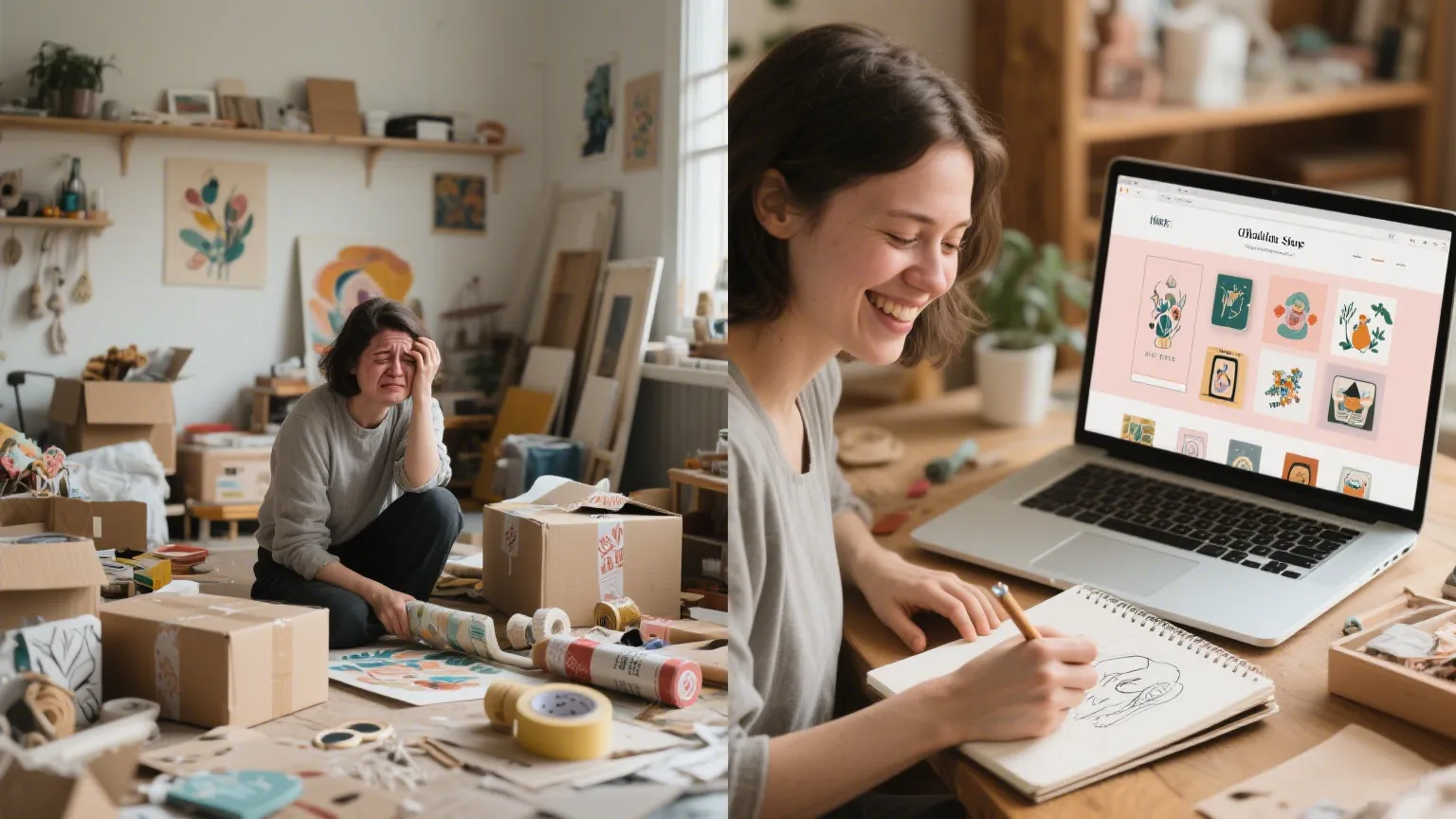
A few months ago, a digital artist I’ll call “Maya” was in a tough spot. Her Instagram was a vibrant showcase of her unique, whimsical art, and she had a dedicated following of over 50,000 people who loved her work. But there was a disconnect. While her posts received thousands of likes, her online store, which sold art prints, was barely making enough to cover its costs. She felt like she was spinning her wheels, trapped in the “starving artist” cliché.
“I see other creators launching these amazing product lines, and their fans go wild,” she told me during our first call, her voice filled with a mix of envy and frustration. “I want to create something tangible, something my followers can carry with them. I’ve thought about a custom acrylic popsocket, but the idea of manufacturing is terrifying. Where do I even begin? I’m an artist, not a product manager.”
If you’ve ever felt that same creative spark dimmed by logistical fears, then you understand Maya’s dilemma. The path from digital art to a physical product can seem daunting. The good news? It doesn’t have to be.
This isn’t just another article about product ideas. This is the exact blueprint I walked Maya through, a strategy that took her from feeling stuck to launching her first custom acrylic popsocket and selling out her entire first run in less than 48 hours. This journey didn’t just create a new product; it created a new, sustainable revenue stream for her art. By the end of this guide, you’ll have the framework to do the same.
Why a Custom Acrylic Popsocket is Your Next Big Product
Before we dive into the “how,” let’s talk about the “why.” Why this specific product? The market for phone accessories is not just big; it’s colossal and constantly evolving. The global mobile phone accessories market is projected to reach a staggering value of over $400 billion by 2030. Within that, phone grips are a dominant category.
The Power of a Functional Canvas
What makes a custom acrylic popsocket so potent for an artist or brand?
-
It’s a Walking Billboard: Unlike a print that hangs on a wall, a phone grip is seen dozens, if not hundreds, of times a day. It’s a piece of your art that travels with your fan, acting as a constant brand reminder and a conversation starter.
-
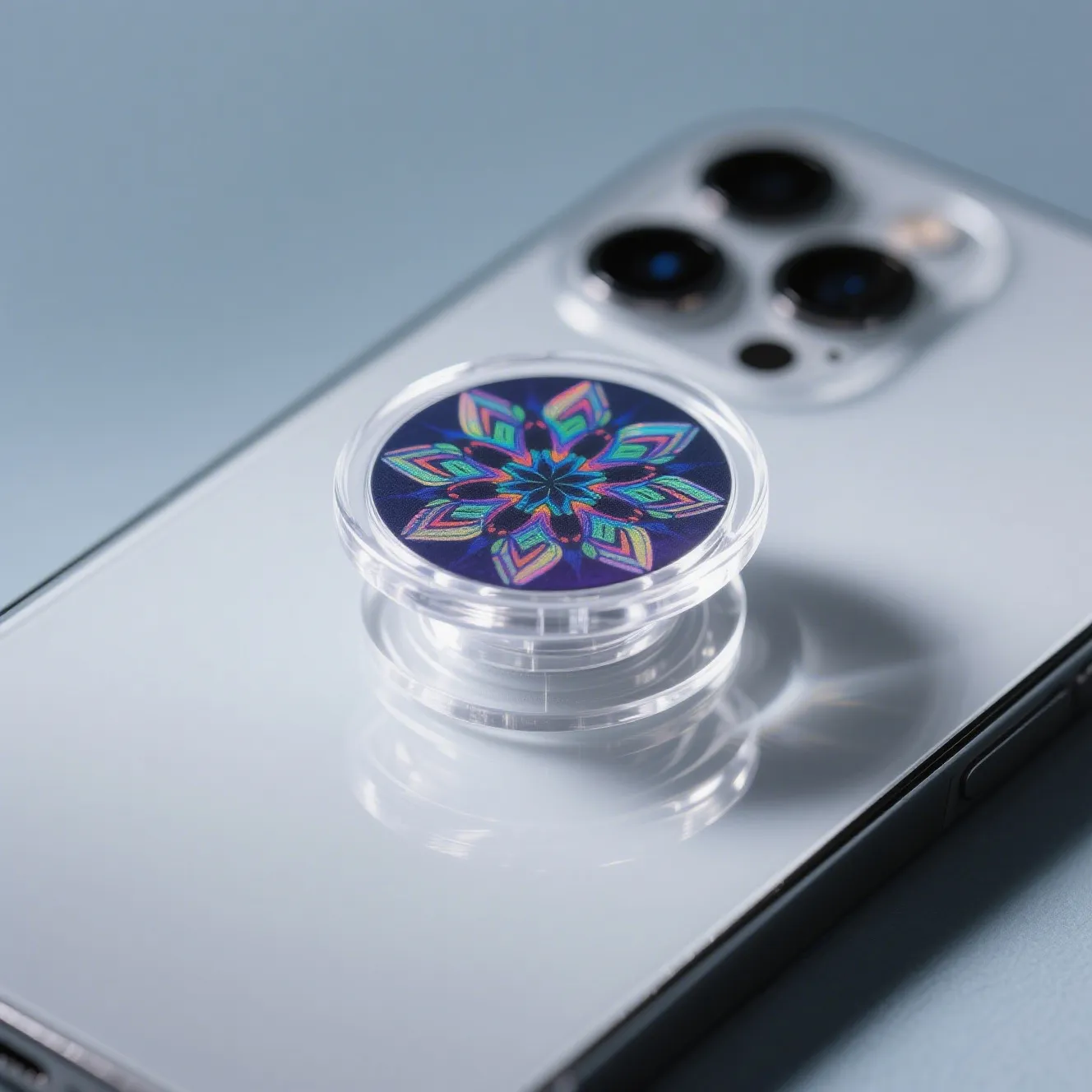
High Perceived Value: An acrylic popsocket feels substantial. The weight, the smooth finish, the vibrant print—it feels more like a piece of collectible hardware than a simple accessory. This allows you to price it higher than a sticker or a print, leading to better profit margins.
-
Perfect for Collectors: The rise of “gacha” culture and collectibles has trained an entire generation of consumers to covet unique, limited-edition items. A well-designed series of popsockets can tap directly into this collector mentality.
The key is understanding that your audience isn’t just buying a phone grip. They are buying a piece of your identity, a token of their connection to your work. This emotional component is what transforms a simple utility item into a must-have product. This is where a reliable partner, like a print-on-demand (POD) factory, becomes invaluable. POD services like those at Loongwa remove the scariest part of the equation—inventory risk. You can order a small batch to test the waters, ensuring you never have to sink thousands of dollars into a product that might not sell.
The Blueprint: How Maya Launched a Sold-Out Product Line
When I first looked at Maya’s business, the problem was clear. Her art was phenomenal, but a print is a passive product. It didn’t fit the active, mobile lifestyle of her followers. We needed to create something that felt like a natural extension of both her art and her audience’s daily life.
Our strategy was focused and methodical. We didn’t try to launch ten products at once. We focused on perfecting one: the custom acrylic popsocket.
Here’s a snapshot of her success just two months after her launch:
-
Her first run of 200 popsockets sold out in under 48 hours, generating more revenue in two days than her print store did in the previous three months.
-
The average order value on her store tripled, as customers added the new premium product to their carts.
-
Her social media exploded with user-generated content—fans posting photos of their new popsockets on their phones, which acted as powerful, authentic marketing.
-
She successfully funded her next, larger production run entirely through pre-orders.
This wasn’t magic. It was the result of a deliberate, creator-focused strategy.
Designing a Popsocket That Sells
The biggest hurdle for most artists is translating their 2D artwork into a 3D product. A great custom acrylic popsocket design isn’t just about slapping your art on a circle.
Key Design-for-Manufacturing Principles
-
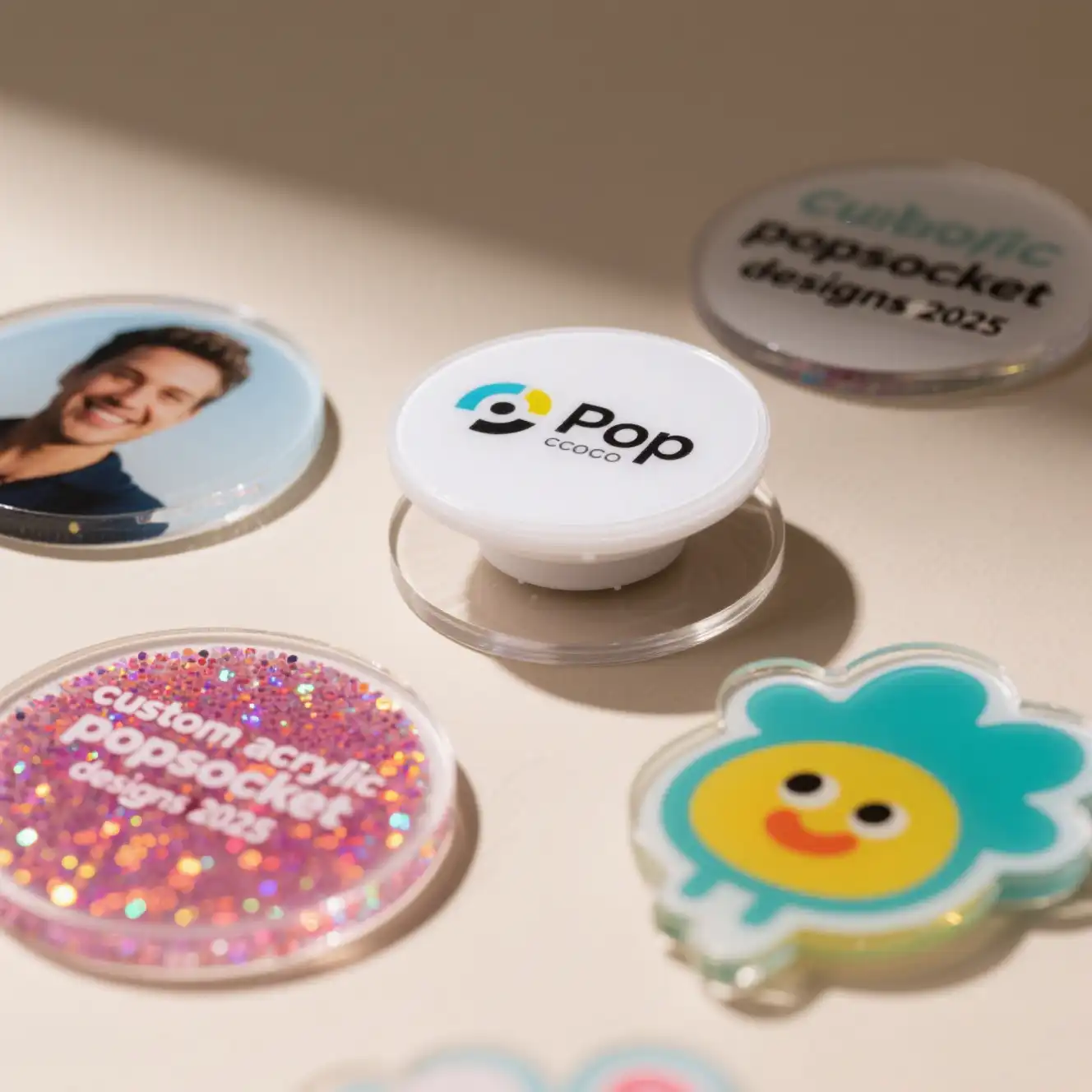
Shape Matters: Don’t limit yourself to a circle! Custom die-cut shapes are what make acrylic popsockets stand out. Think about the silhouette of your character or design. A unique shape is instantly more eye-catching and feels more custom. When we researched, we found that searches for “custom shape popsocket” were on the rise, indicating a clear market desire.
-
Durability in Design: When creating your custom shape, avoid very thin, pointy, or fragile parts. These can easily snap off with daily use. Think about creating a solid, cohesive shape with smooth, reinforced edges.
-
The Power of Finishes: The finish can transform your product. A layer of glitter or a glossy epoxy dome are incredibly popular choices. These finishes not only look premium but also add a layer of protection to the print underneath. Maya decided to offer a limited-edition “glitter” version, which she priced slightly higher. It sold out first.
-
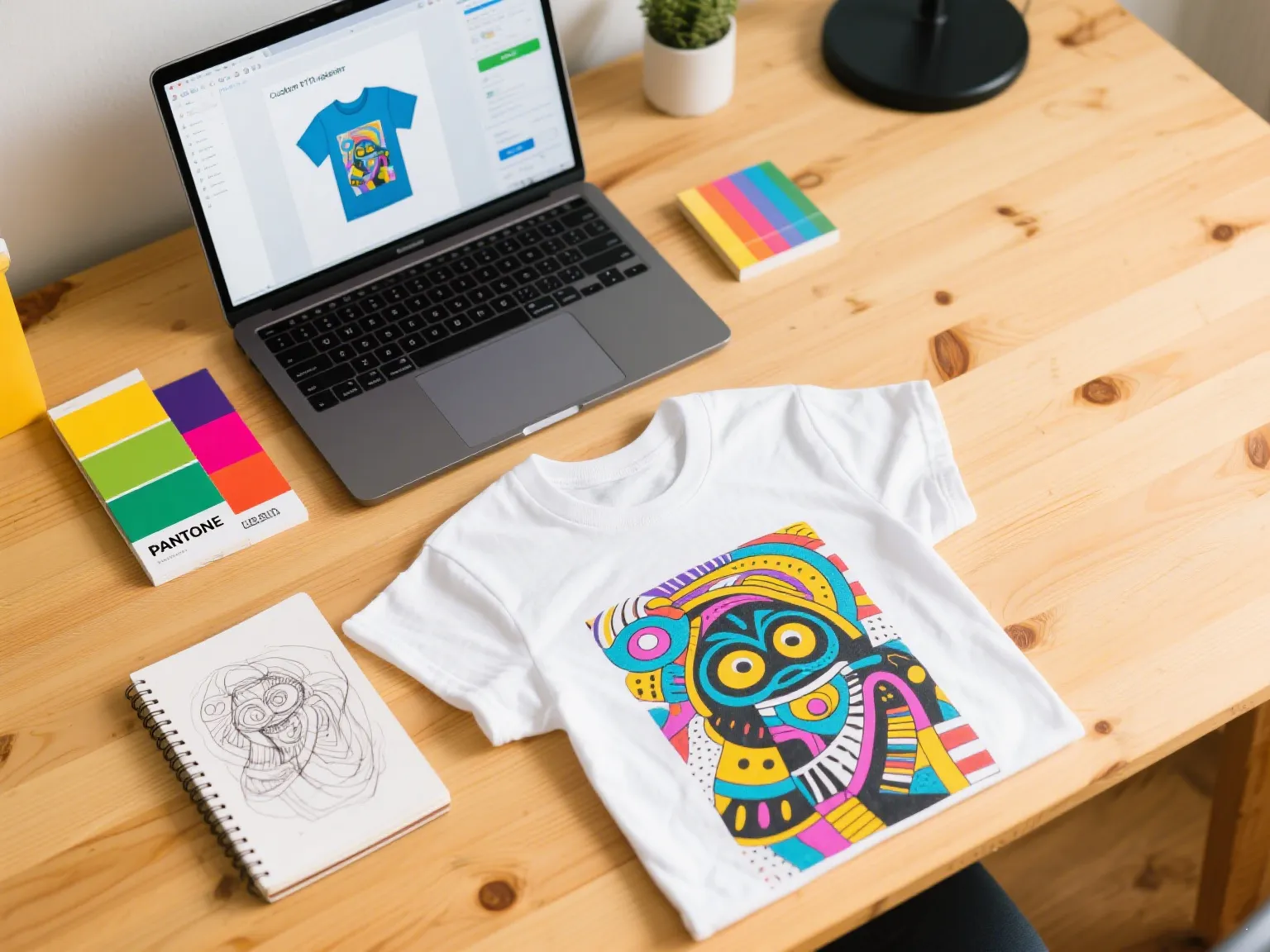
File Setup is Crucial: This is the technical part that can feel intimidating, but it’s essential. A professional custom popsocket manufacturer will require specific file setups. Typically, you’ll need to provide your artwork on one layer and a vector cutline on a separate layer. This cutline tells the laser exactly where to cut your custom shape. Getting this right is the key to a clean, professional finish.
Finding the Right Manufacturing Partner
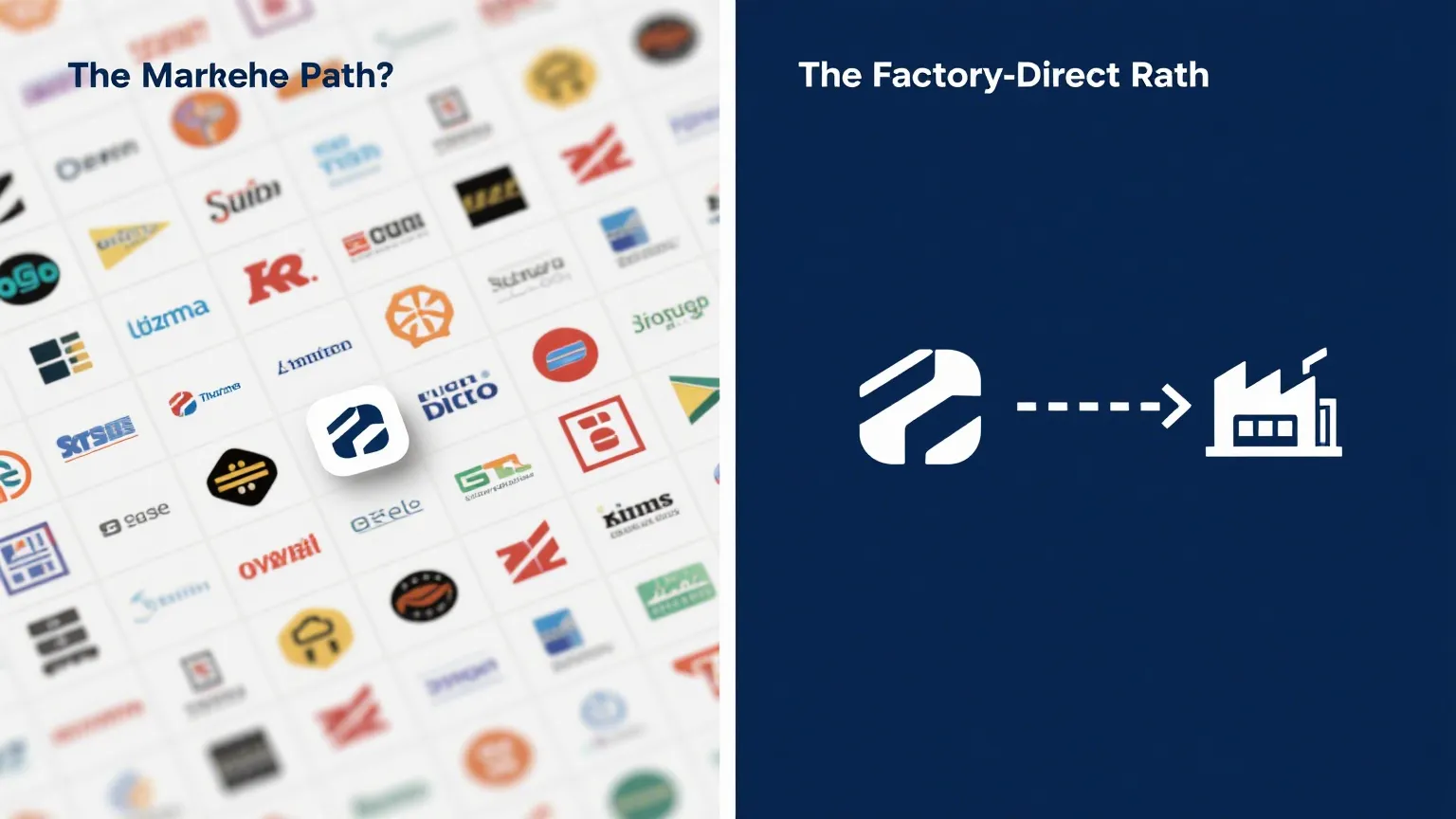
This was Maya’s biggest fear. Her early research led her to bulk manufacturers with high minimum order quantities (MOQs) and confusing communication.
Vetting Your Potential Supplier
-
Look for Low or No MOQs: For your first run, you don’t want to order 500 units. A partner that offers print-on-demand or low MOQ services (like 50-100 units) is your best friend. It minimizes your financial risk and allows you to test your design.
-
Clear Communication and Support: How a potential supplier communicates with you is a huge indicator of what a working relationship will be like. Do they answer your questions clearly? Do they provide easy-to-understand file templates and guidelines? A good partner wants to help you succeed.
-
Portfolio and Quality: Look at other products they’ve made. Do they showcase examples from other artists? Does the quality look consistent and professional? Don’t be afraid to ask for photos of their past work.
-
Always Order a Sample: I cannot overstate this. Before you commit to any production run, order a single physical sample. A digital mockup is one thing, but holding the product in your hand is the only way to truly judge the quality of the print, the feel of the material, and the strength of the adhesive.
Maya chose to work with Loongwa because the POD model eliminated her fear of inventory, and the clear file guidelines gave her the confidence to set up her design correctly. When her first sample arrived, she told me it was the first time she truly felt like a “product creator.”
Crafting a Launch That Creates Hype
You can’t just drop a new product in your store and expect it to sell. You need to build anticipation and create an event around your launch.
Maya’s Simple But Effective Launch Strategy
-
Behind-the-Scenes Teasers: For two weeks leading up to the launch, she posted snippets of the process on her Instagram Stories—a glimpse of the initial sketch, a poll asking followers to vote between two color variations, a short video of her unboxing the first prototype. This made her audience feel like they were part of the journey.
-
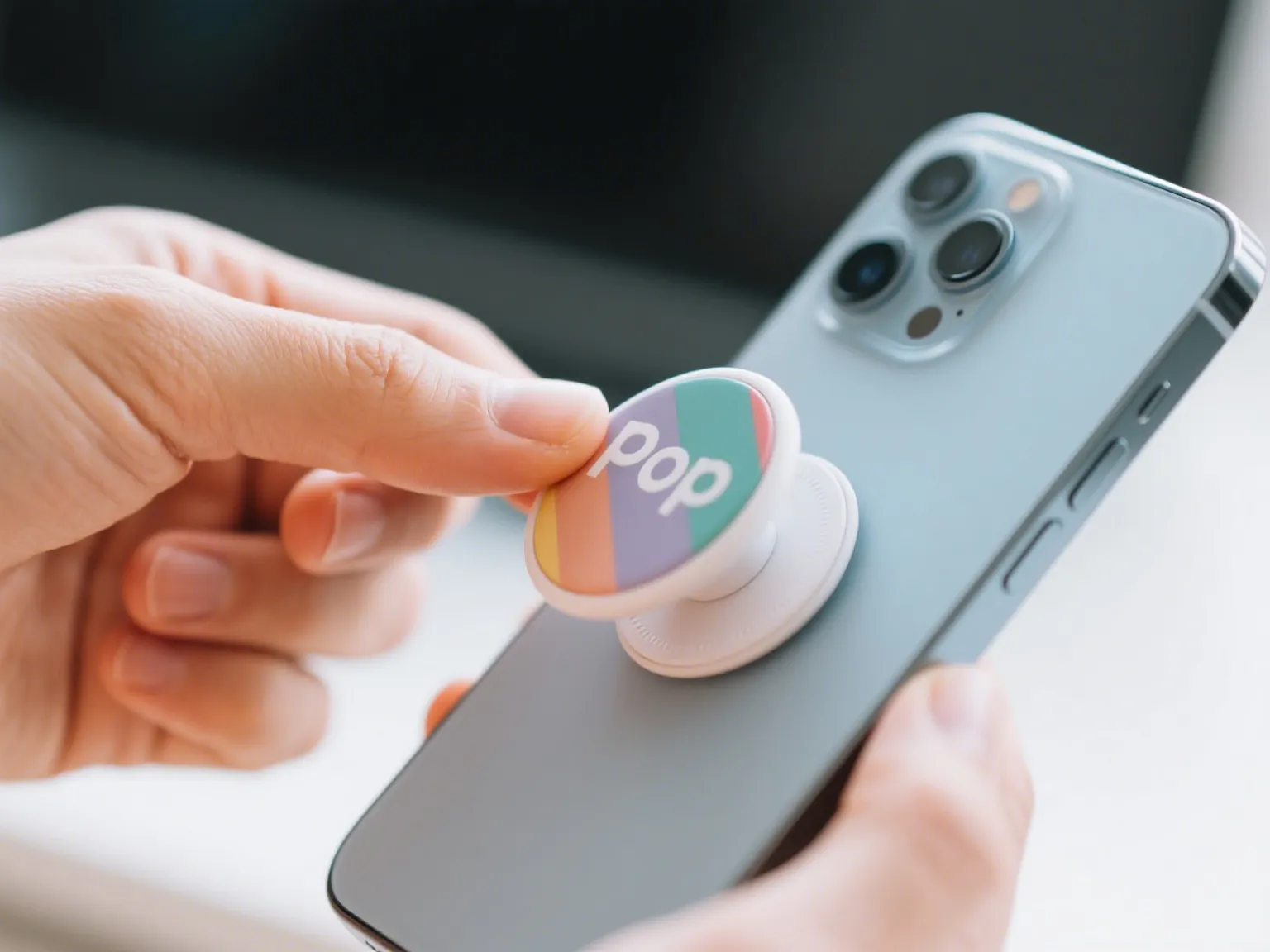
High-Quality Visuals: She invested time in taking beautiful photos of the final product. She didn’t just show the popsocket on a white background; she showed it on a phone, in someone’s hand, next to a matching planner. This helped customers visualize the product in their own lives.
-
The Power of Pre-Orders: She launched the custom acrylic popsocket as a limited-time pre-order. This did two things: it created a sense of urgency, and it meant she knew exactly how many units to order from her manufacturer. It was a completely risk-free launch.
Building on Success
The work doesn’t stop after the first launch. The key to sustainable income is to build a product ecosystem.
Turning a Product into a Product Line
-
Listen to Your Audience: After the first launch, Maya asked her followers, “What character should I do next?” The response was overwhelming. She now has a clear, audience-validated roadmap for her next three releases.
-
Create a Collection: She is now designing new popsockets that complement each other, encouraging fans to collect the whole set.
-
Bundle and Upsell: When a customer adds a popsocket to their cart, her store now suggests adding a matching sticker sheet or keychain for a small discount, increasing her average order value.
Your Action Plan to Launch Your Own Custom Acrylic Popsocket
Feeling inspired? You can start this journey today. This isn’t some far-off dream; it’s an achievable goal.
-
Finalize Your Design: Choose one of your most popular or iconic pieces of art. Think about how it would translate into a unique, durable shape.
-
Prepare Your Files: Focus on creating a clean vector cutline and high-resolution artwork. If you’re unsure, reach out to a potential manufacturing partner for their specific guidelines.
-
Find Your Partner & Order a Sample: Research POD or low-MOQ manufacturers. Choose a partner that offers clear communication and order a single prototype. It’s a small, crucial investment.
-
Build Hype & Launch: Start teasing the new product on your social media. Take great photos of your sample. Launch your product as a limited pre-order to minimize risk and maximize excitement.
By following this framework, you’re not just creating a piece of merchandise. You’re building a stronger connection with your audience, diversifying your income, and taking a powerful step toward building a sustainable creative career. The demand for unique, artist-driven products like a custom acrylic popsocket has never been higher. The only thing missing is your art.
Frequently Asked Questions (FAQ)
What’s the most durable shape for a custom acrylic popsocket?
Shapes that are relatively compact without long, thin, or pointy extensions are the most durable. Think about designs that are more circular, square, or have a solid, cohesive silhouette.
What is the difference between a standard popsocket and an acrylic one?
A standard popsocket is typically a printed plastic disc. A custom acrylic popsocket involves printing your design onto a piece of clear acrylic, which is then laser-cut to your custom shape. This gives it a thicker, more premium feel with sharper edges and more vibrant colors.
What is the best way to handle the adhesive?
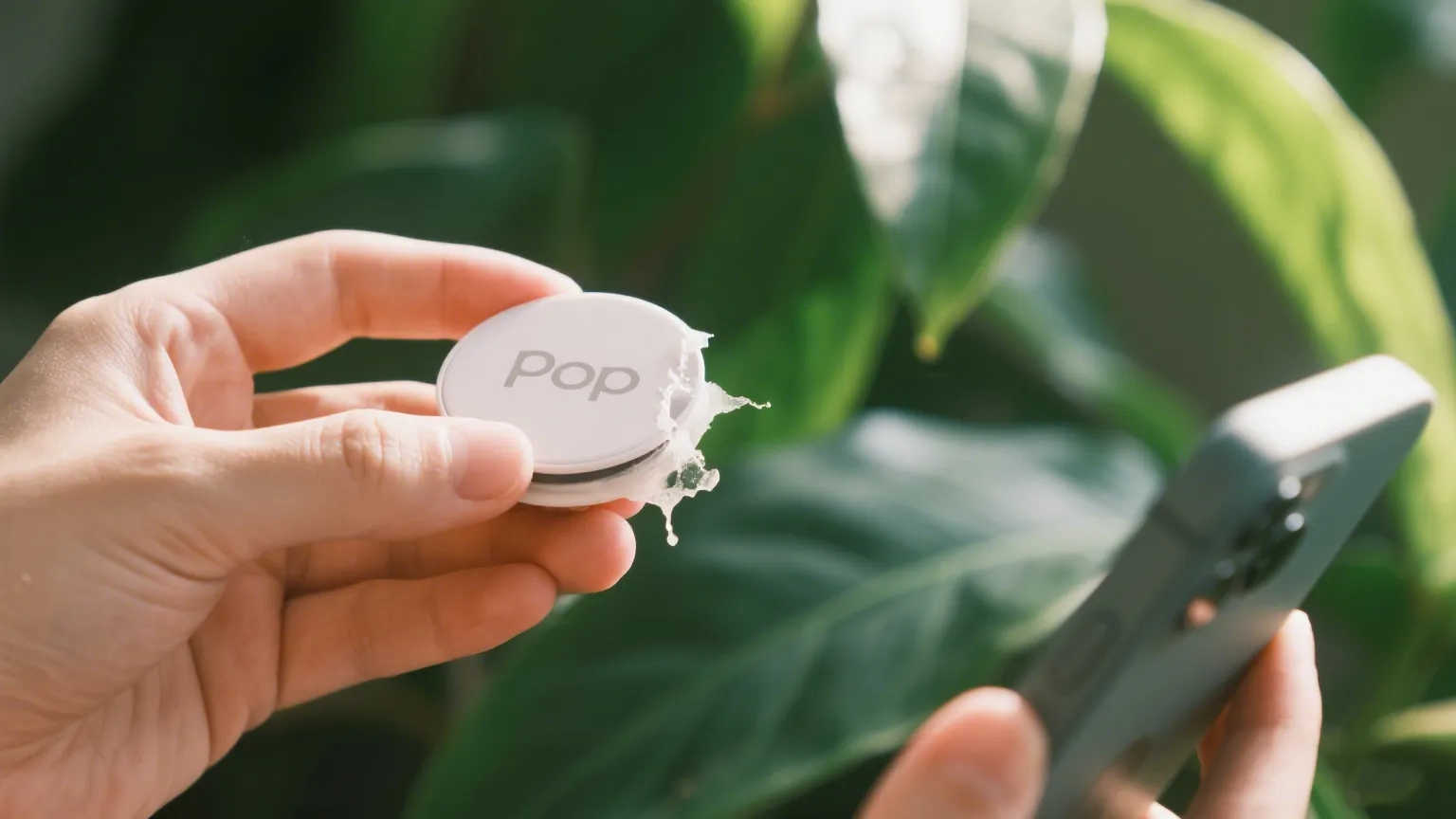
A high-quality popsocket should come with a strong, reliable adhesive, often from a brand like 3M. Make sure your manufacturer uses a reputable adhesive. When you get your sample, test it on a phone case to ensure it sticks securely but can also be repositioned without leaving residue.
How do I price my custom popsocket?
Consider the cost of the unit from your manufacturer, shipping supplies, and your time. A good rule of thumb is to price the final product at 3-4 times your cost of goods. Look at what other artists in your niche are charging for similar quality items to ensure your pricing is competitive.
Can I offer multiple designs in one small order?
This is a major benefit of working with a POD or flexible custom popsocket manufacturer. Often, you can split a small order (e.g., 50 units) across 2-3 different designs, allowing you to offer more variety to your customers without a huge upfront investment.