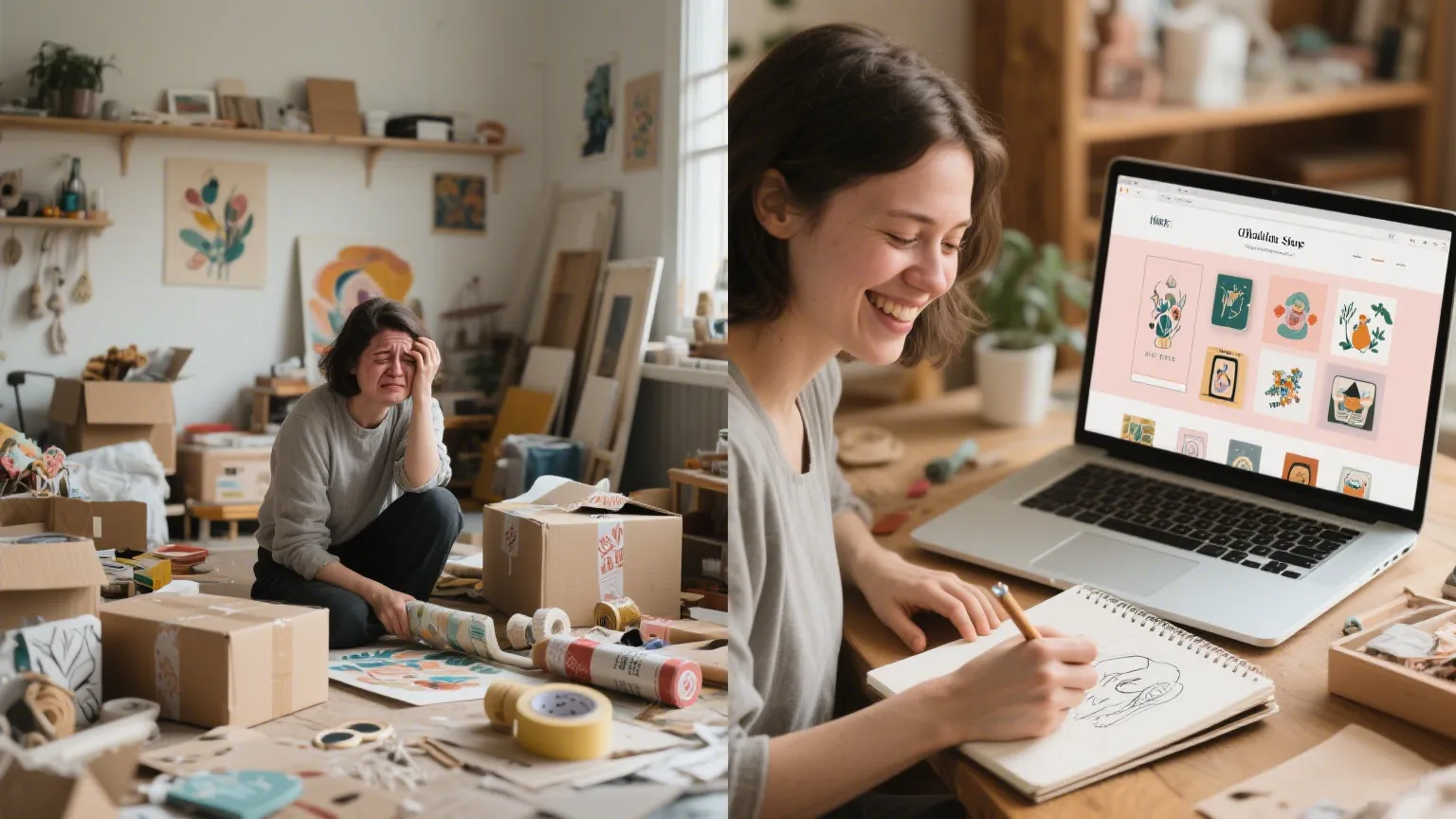
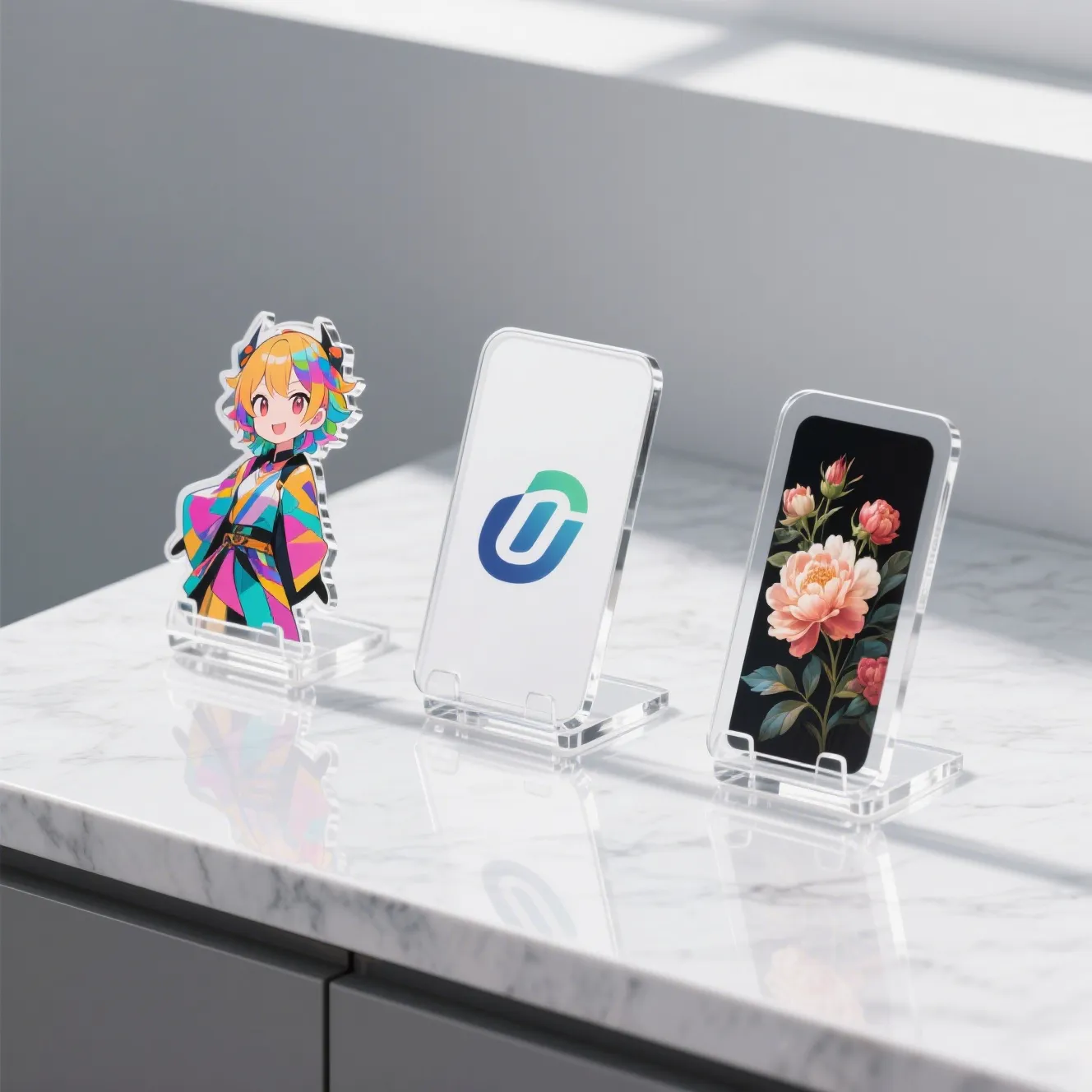
You have a notebook filled with incredible designs, a brilliant idea for a niche brand, or a community that’s ready to support you. The creative fire is burning bright. But then you hit the wall—the cold, hard reality of logistics and finance. The traditional business model whispers its daunting requirements: buy inventory in bulk, invest thousands of dollars upfront, manage shipping, and face the soul-crushing risk that your products might not sell, leaving you with a garage full of expensive dust-collectors. For most aspiring creators, this is where the dream dies.
I’ve spoken with hundreds of entrepreneurs who have faced this exact moment. One that sticks with me is Clara, a talented digital artist I met last year. She had built a loyal following of 20,000 people on Instagram who adored her whimsical, nature-inspired art. Her community was begging her to sell merchandise. So, she took the plunge. She invested $3,000—nearly all her savings—into a bulk order of 200 t-shirts featuring her most popular design. The excitement of unboxing them quickly faded. The sales trickled in, but after a month, she was still sitting on 150 shirts. Her small apartment had become a warehouse, and the financial pressure was immense. Her creative passion was being suffocated by the stress of inventory management.
Clara’s story is incredibly common. But what if I told you there’s a different path? A model that eliminates the risk, removes the barrier of upfront investment, and automates the logistics, freeing you to do the one thing you do best: create. This model is print on demand, and it’s not just a trend; it’s a revolution that is fundamentally reshaping e-commerce for creators and entrepreneurs in 2025. This guide is your map to understanding and mastering it.
Why Print on Demand is Dominating the Creative Economy in 2025
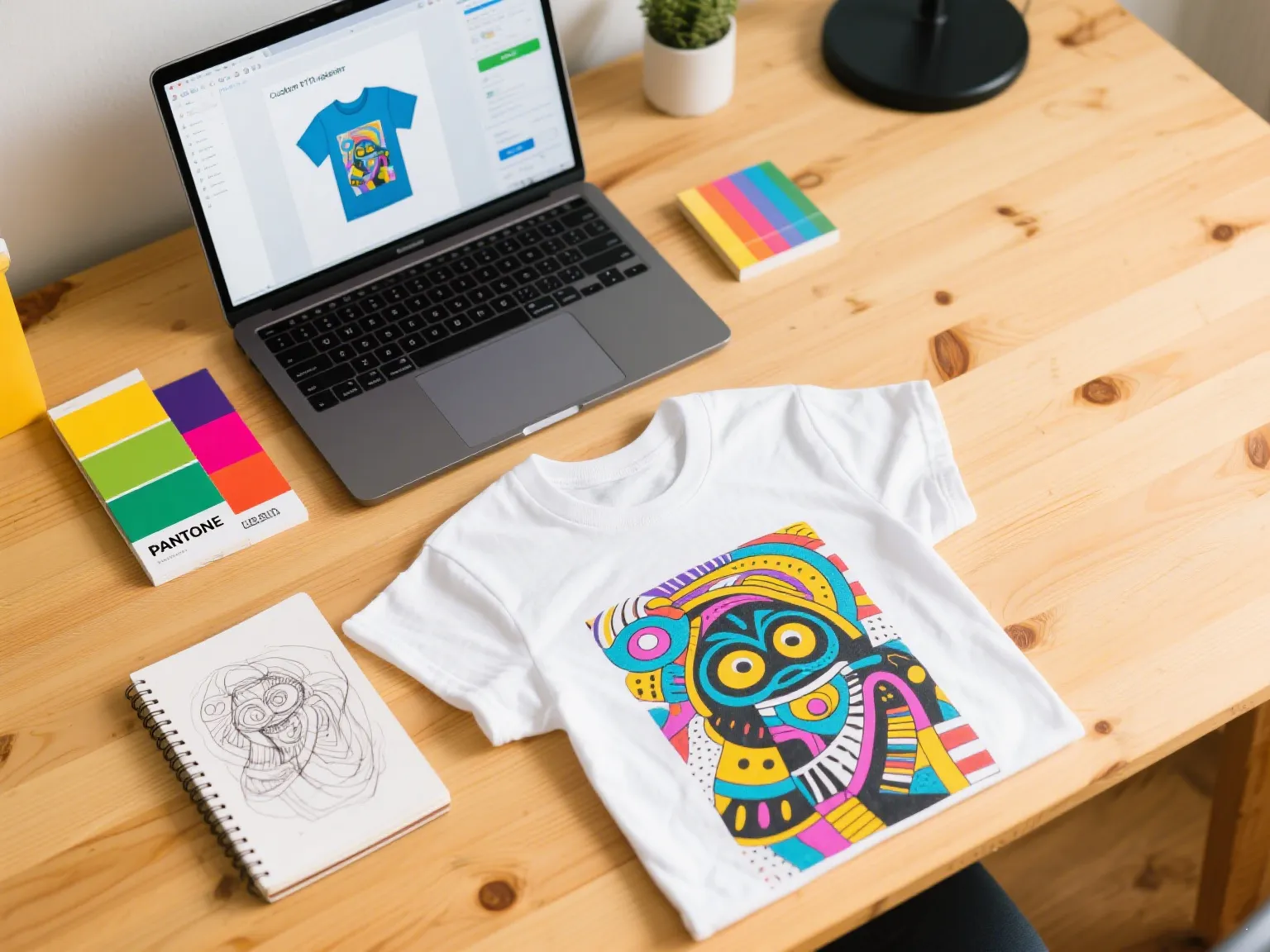
So, what is print on demand? At its core, it’s a beautifully simple e-commerce model. You, the creator, provide the designs. You set up an online store and populate it with virtual products—mugs, t-shirts, posters, phone cases—adorned with your art. When a customer makes a purchase from your store, the order is automatically sent to a print on demand partner. That partner then prints your design onto the product, packages it, and ships it directly to your customer under your brand. You never touch the inventory. You only pay for the product after you’ve already made a sale.
The growth of this model is staggering. The global print on demand market size is valued at $12.96 billion in 2025 and is projected to expand at a compound annual growth rate (CAGR) of 26% through 2034, according to Precedence Research. This isn’t just a niche; it’s a mainstream movement powered by two fundamental shifts:
-
The Creator Economy Boom: More people than ever are building personal brands and monetizing their creativity. Print on demand provides the perfect vehicle for this, offering a low-risk entry into e-commerce.
-
Consumer Demand for Personalization: Modern shoppers are rejecting generic, mass-produced goods. They crave unique products that reflect their identity and values. A report from Deloitte found that 1 in 5 consumers are willing to pay a 20% premium for personalized products. Print on demand is the engine that makes this personalization possible at scale.
For Clara, the artist stuck with 150 t-shirts, discovering this model was a lifeline. It allowed her to pivot from a place of financial risk to one of creative freedom. Let’s break down how.
The Blueprint for Success: How Clara Relaunched Her Brand with Print on Demand
After her initial failure, Clara didn’t give up. She decided to rebuild her business using a print on demand strategy. Her journey provides a perfect blueprint for anyone wondering how to start a print on demand business.
Step One: Finding Her Profitable Niche
Clara’s first mistake was trying to appeal to everyone. Her art was generally “nature-themed,” which is a broad and highly competitive market. To succeed with print on demand, she needed to get specific. She analyzed her Instagram followers and noticed a passionate subgroup: mushroom foragers and mycology enthusiasts. This was her niche.
Instead of generic nature designs, she began creating art specifically for this community: detailed illustrations of morel mushrooms, clever “I’m a Fun-gi” puns, and beautiful charts of edible vs. poisonous varieties. By niching down, she wasn’t competing with big-box stores; she was speaking directly to a dedicated and underserved audience.
Step Two: Creating Products Her Niche Actually Wanted
With her old model, Clara was limited to one t-shirt design. With print on demand, she could offer her entire portfolio without risk. She expanded her product line to include items that fit her niche’s lifestyle. She thought, “What does a mushroom forager need or love?”
-
Durable Enamel Mugs: Perfect for coffee on a cool morning in the woods.
-
Comfortable Hoodies: For foraging on chilly days.
-
Tote Bags: To carry their foraging tools and finds.
-
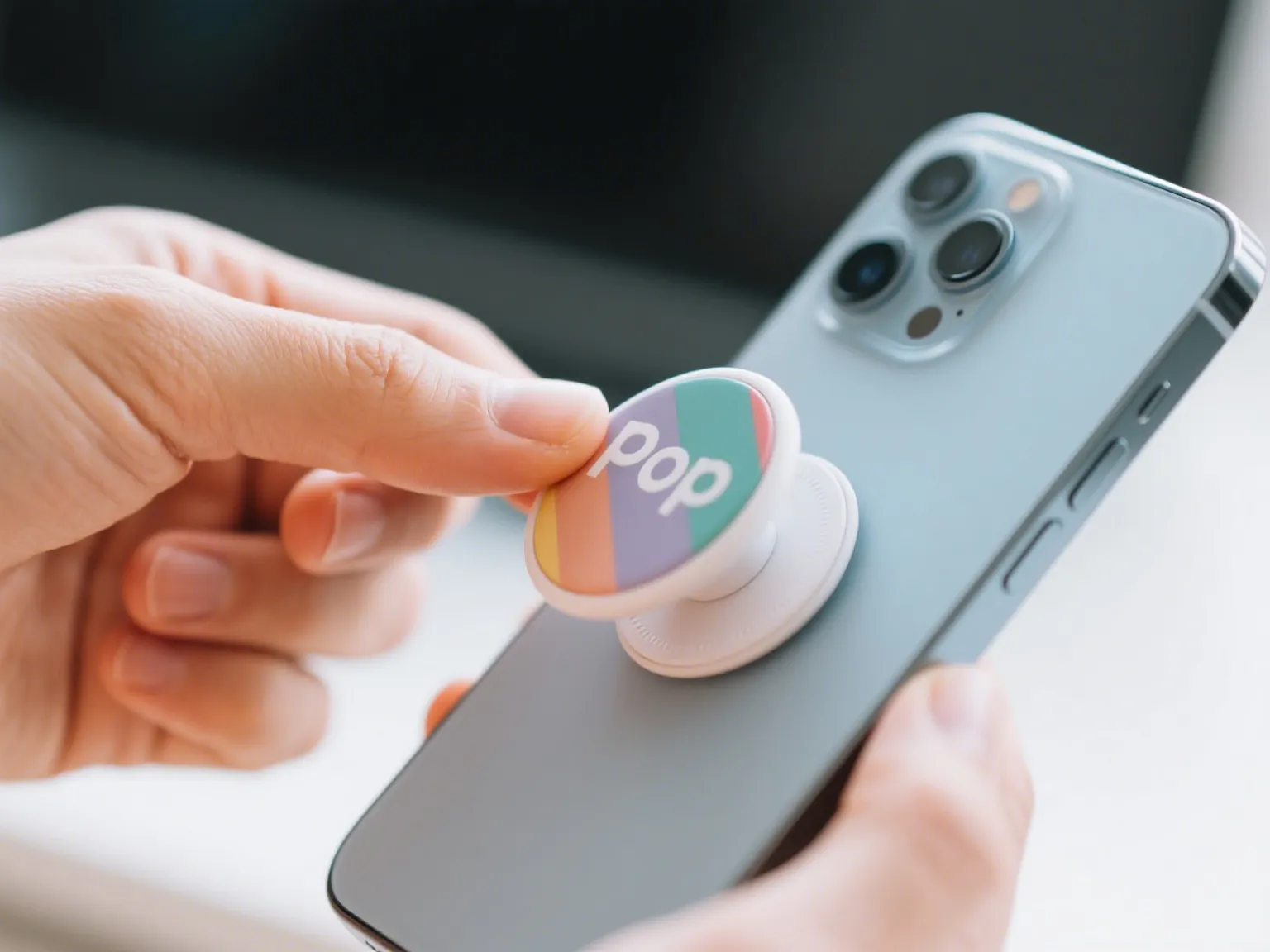
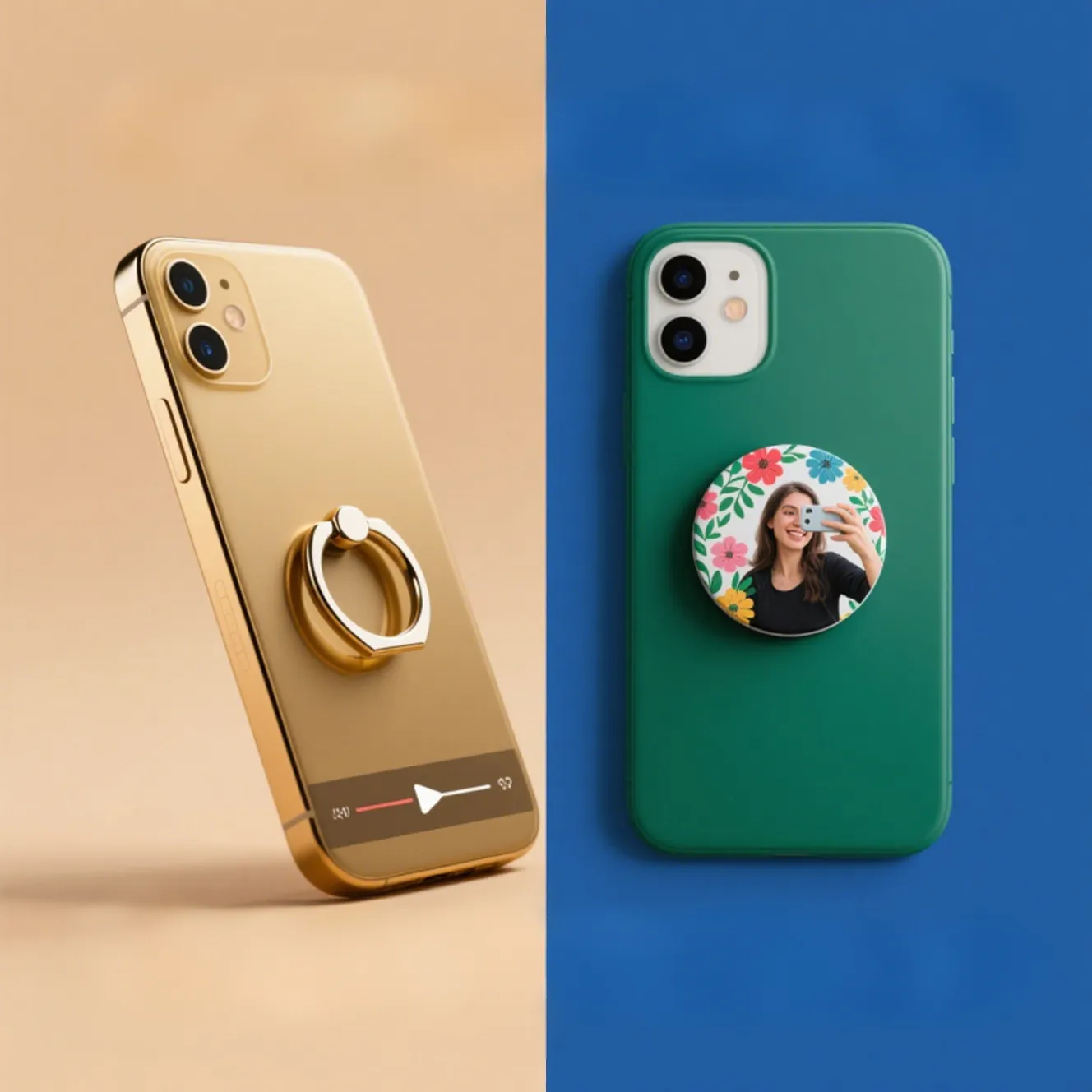
Phone Cases: Featuring her most intricate mushroom art.
She was no longer just selling a t-shirt; she was selling an identity. She listed over 50 products in her store, each one a potential bestseller, without spending a single dollar on inventory. Finding the best print on demand products is about understanding your audience’s world.
Step Three: Optimizing Her Store for Discovery
Clara’s art was beautiful, but she needed people to find it. This is where a little bit of SEO strategy, integrated naturally, made a huge difference. She started thinking about what her ideal customer would type into Google. Instead of just “nature t-shirt,” she optimized her product titles and descriptions with long-tail keywords her audience was actually using, such as:
-
“Morel mushroom hunting hoodie”
-
“Mycology enthusiast enamel mug”
-
“Botanical illustration amanita muscaria phone case”
This simple shift in language helped her store show up in highly specific searches. Within three months, her organic search traffic tripled because she was matching the exact intent of her buyers. This is a core principle of good e-commerce: don’t just describe your product; use the words your customers use.
The Two Paths: Choosing Your Print on Demand Partner
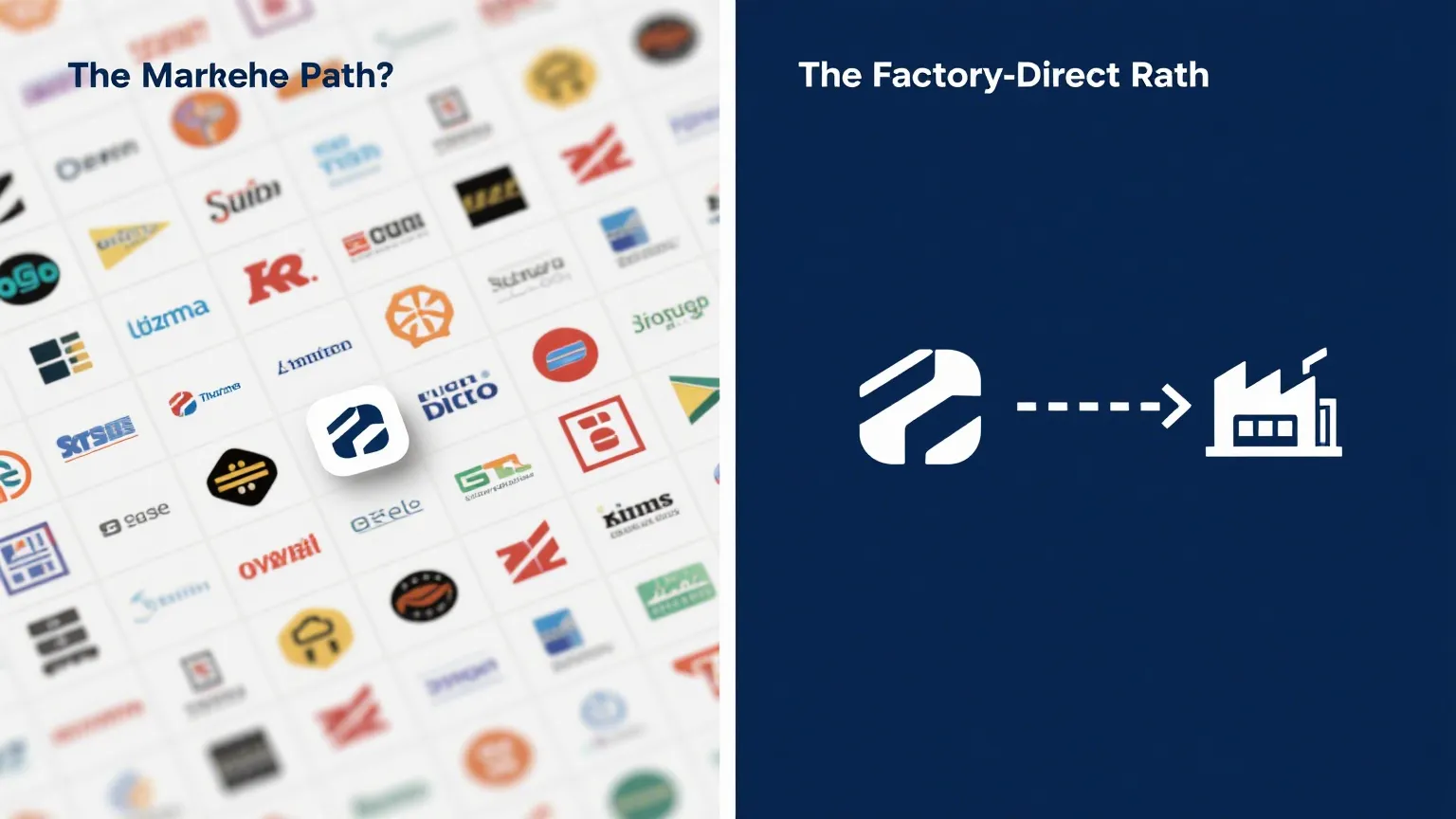
Once Clara had her niche and designs, she faced a critical decision: choosing her production partner. This is a crucial step where many new sellers get confused. In the print on demand world, you generally have two options.
The Marketplace Path: Easy Start, Low Control
This path involves selling your products on large marketplaces like Redbubble or Society6. You simply upload your art, and they handle everything, including the storefront and customer service.
-
Pros: Extremely easy to get started. You can upload a design and have it for sale in minutes. They also have massive, built-in audiences.
-
Cons: You have very little control over your brand. Your products are listed alongside thousands of competitors, making it hard to stand out. The profit margins are also significantly lower, as the marketplace takes a large cut. You’re essentially a guest in someone else’s house.
The White-Label Path: Your Brand, Your Business
This path involves setting up your own e-commerce store (using a platform like Shopify (nofollow) or Etsy) and integrating it with a white-label print on demand partner. This partner, often a direct factory supplier, handles the print on demand fulfillment completely behind the scenes. Your customers only ever see your branding.
-
Pros: Complete control over your brand, customer experience, and pricing. You build a real, long-term asset. The profit margins are much higher.
-
Cons: It requires more initial effort to set up your own store. You are also responsible for your own marketing and customer service.
Clara chose the white-label path. She wanted to build her brand, not just contribute to a marketplace’s catalog. This led her to the most important decision of all: finding the right supplier. She knew she needed more than just a printer; she needed a partner. This meant finding a print on demand factory supplier that offered consistent quality, reliable shipping, and expert support. By working directly with a factory like Loongwa Print, she got access to better pricing and had a direct line of communication with the people actually producing her products, ensuring her vision was never lost in translation.
The Results: From a Cluttered Apartment to a Thriving Business
By combining a specific niche, a diverse product offering, smart SEO, and a high-quality factory partner, Clara’s business was transformed. Six months after relaunching, she had sold over 1,000 products to customers around the world. Her revenue surpassed $15,000, and her profit margin was a healthy 40%, far exceeding what she could have made on a marketplace.
Most importantly, her apartment was no longer a warehouse. The stress of inventory and logistics was gone, replaced by the creative joy of designing new products for a community she loved. She was running a real, sustainable business, all from her laptop.
Stop Dreaming, Start Building
The barrier between a creative idea and a successful business has never been lower. The print on demand model has democratized e-commerce, removing the financial risk and logistical headaches that once stood in the way of countless aspiring entrepreneurs like Clara. It allows you to test ideas, find your audience, and build a brand with nothing more than your own creativity.
You don’t need a warehouse. You don’t need a massive upfront investment. You just need that spark—that notebook full of designs, that unique brand concept. The tools and technology are here, waiting for you. The only question left is, what will you create?
Frequently Asked Questions (FAQ)
What is the difference between print on demand and dropshipping?
They are similar, but the key difference is customization. In traditional dropshipping, you sell pre-existing products made by another company. With print on demand, the product isn’t created until an order is placed, and it features your own unique design, making it a customized item.
How much money can you make with a print on demand business?
Profitability varies widely based on your niche, design quality, and marketing efforts. However, typical profit margins on print on demand products range from 20% to 40%. Successful store owners can make anywhere from a few hundred to tens of thousands of dollars per month.
What are the best-selling print on demand products in 2025?
Classic apparel like t-shirts and hoodies remain top sellers. However, home decor (mugs, posters, blankets), tech accessories (phone cases), and eco-friendly tote bags are rapidly growing categories. The best print on demand products are those that perfectly fit your specific niche.
Do I need to be a graphic designer to start?
No. While design skills are a plus, you don’t need to be a professional. You can succeed with simple text-based designs, by using pre-made design elements from services like Canva, or by hiring freelance designers on platforms like Fiverr to bring your ideas to life.
What is the biggest challenge of the print on demand model?
The biggest challenge is not production, but marketing. Since the barrier to entry is low, the market can be competitive. Success depends on your ability to find a unique niche, create compelling designs, and effectively market your store to find your target audience.