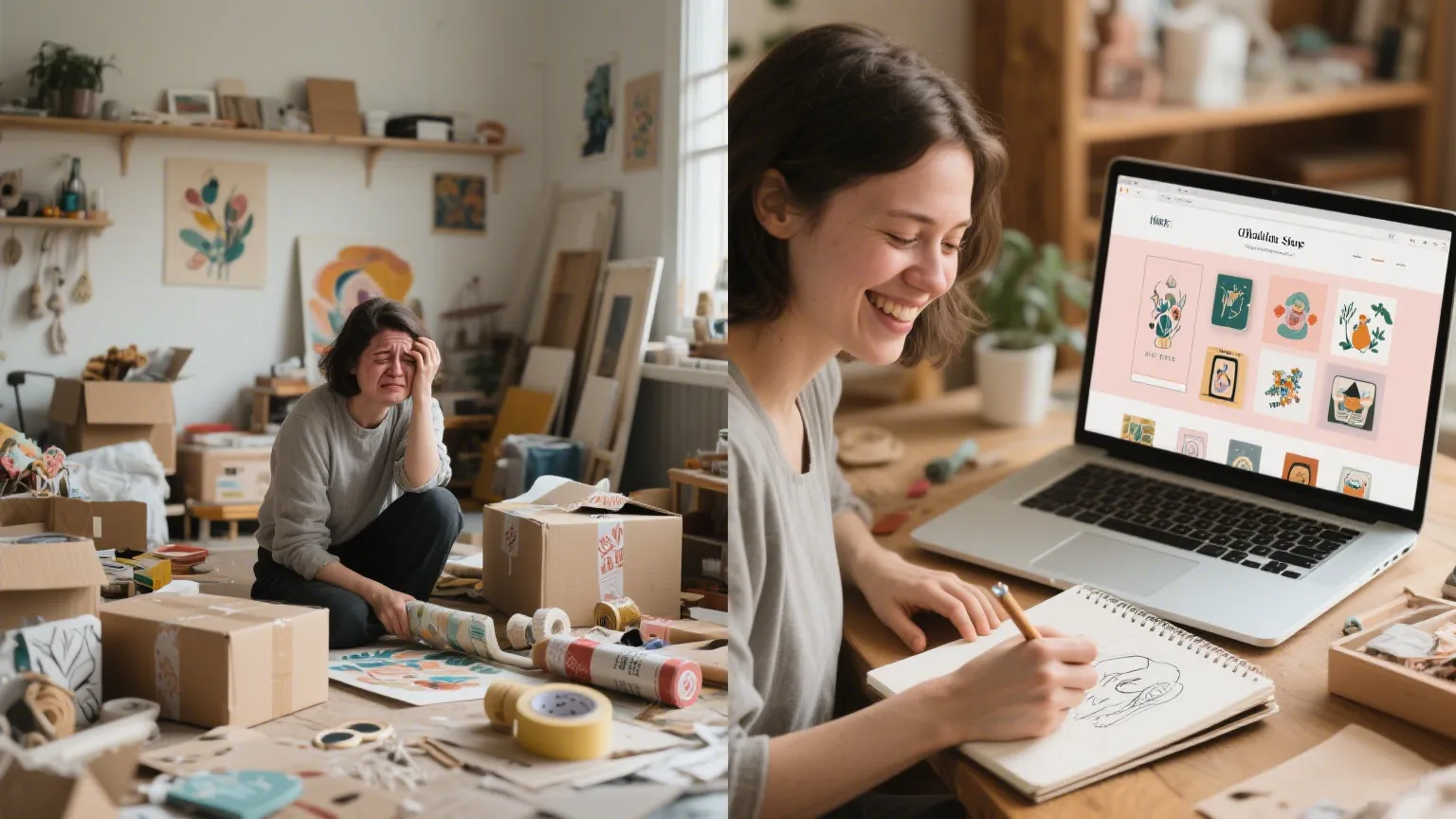
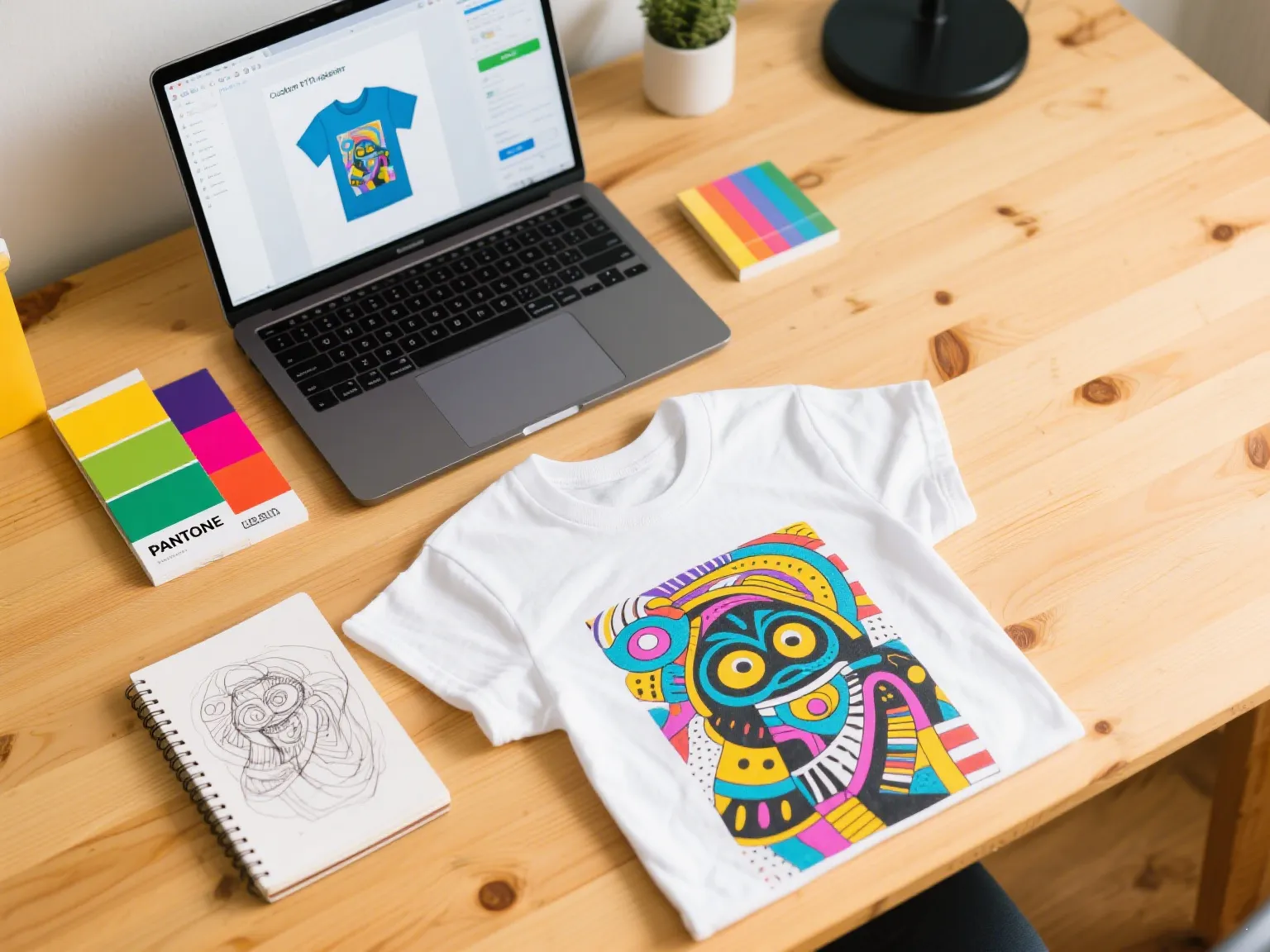
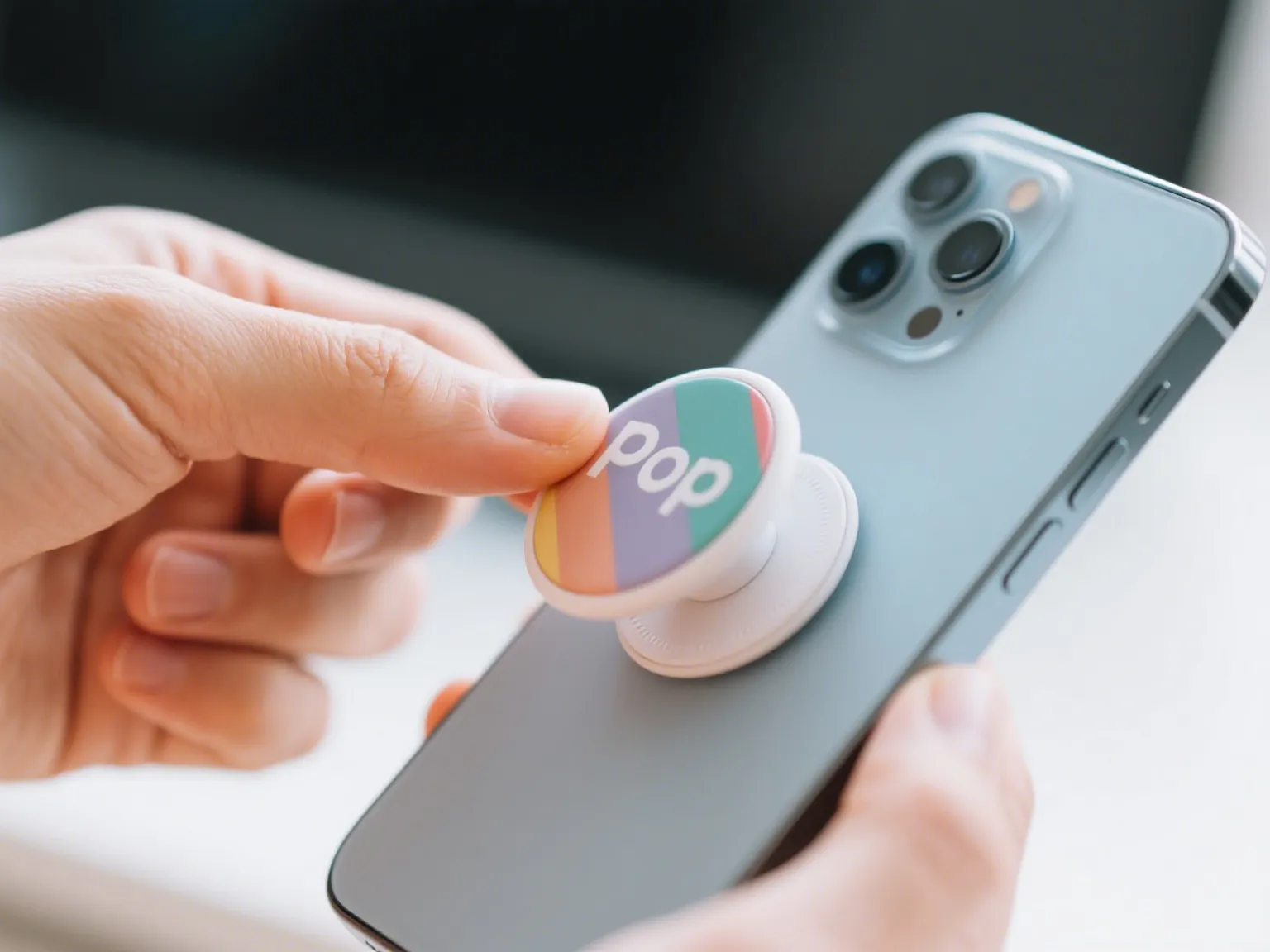
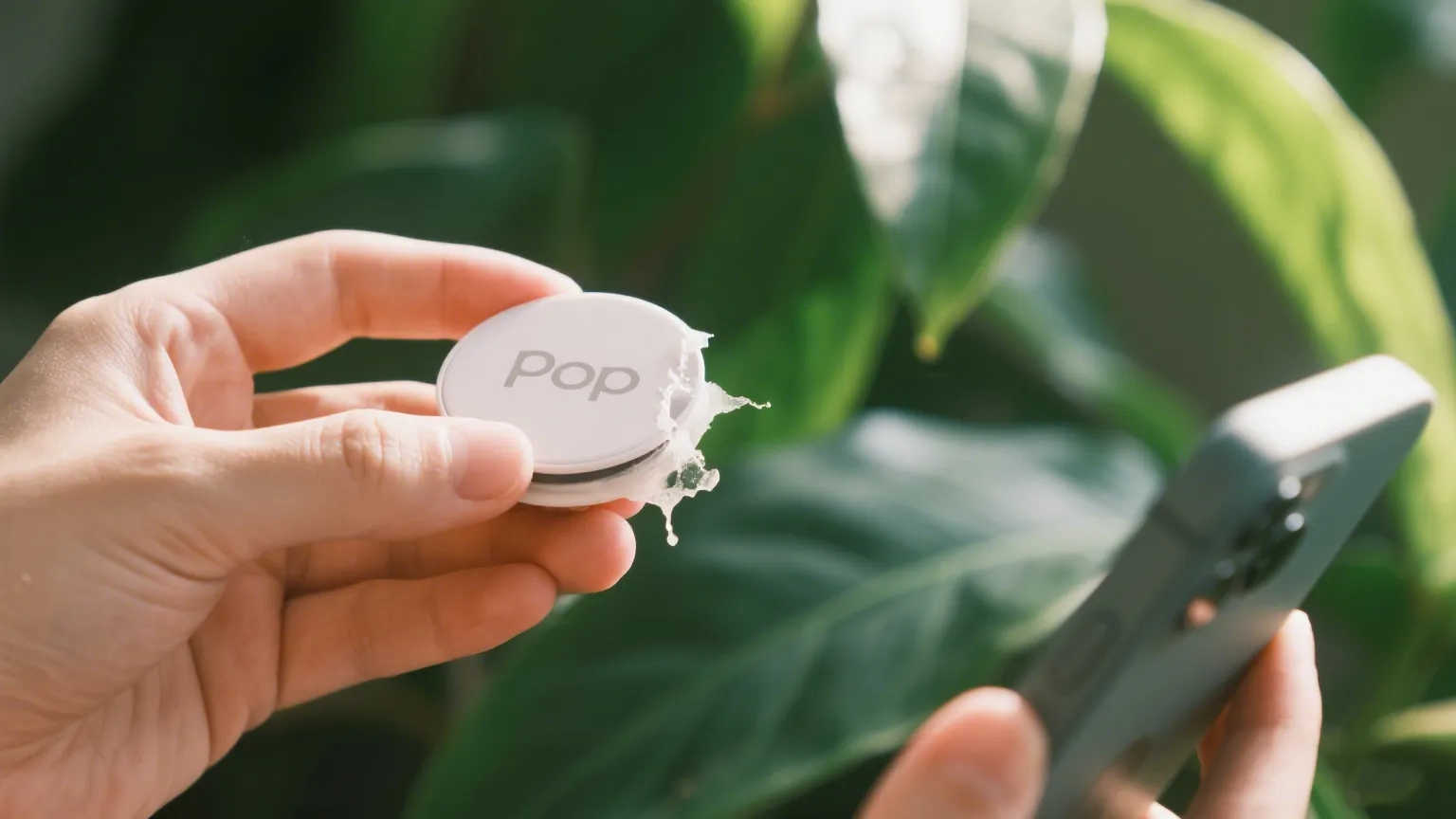
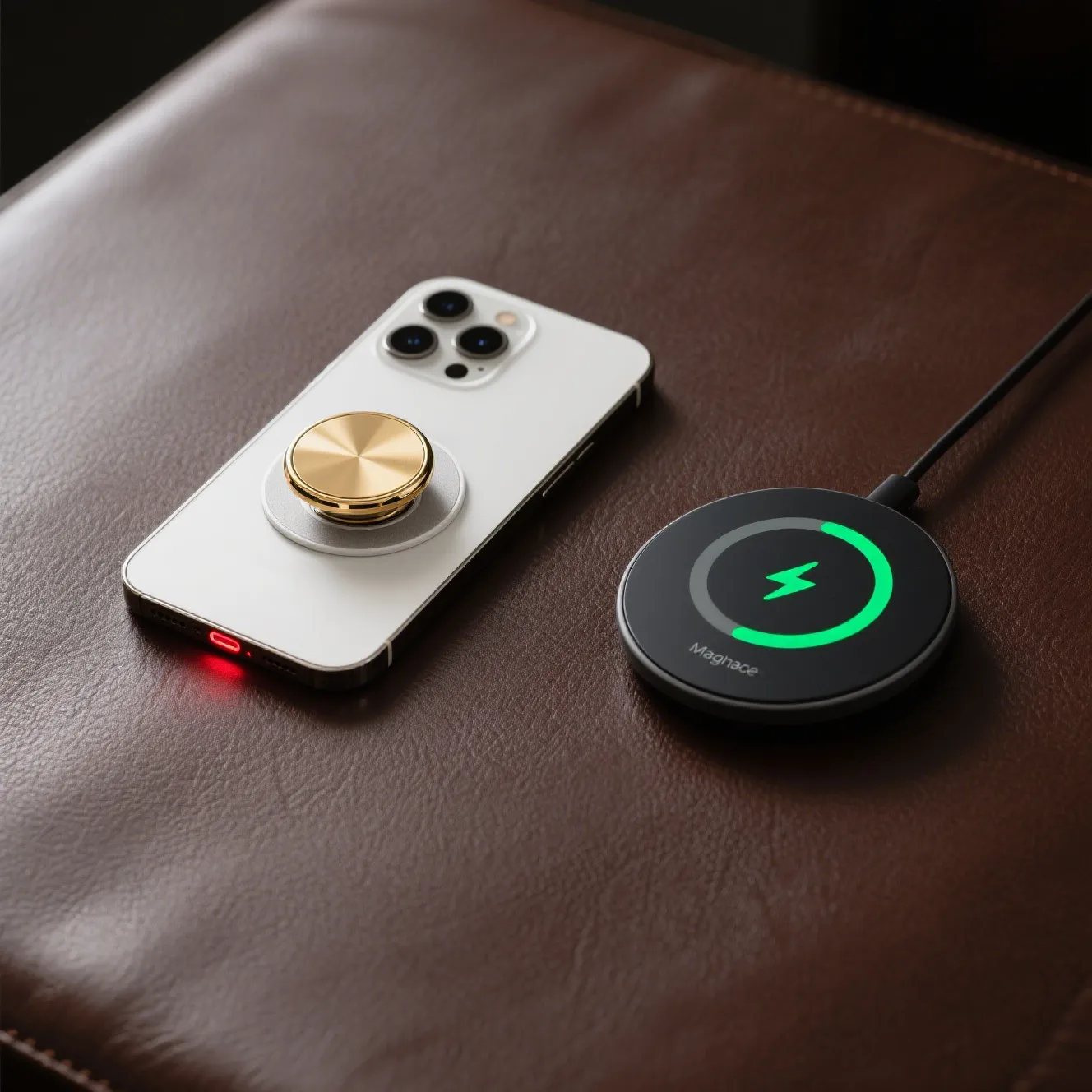
A few months ago, an artist I’ll call “Chloe” came to me with a problem many creative entrepreneurs face. Her online store was moderately successful, selling prints and stickers of her unique character designs. But she felt she had hit a ceiling. She saw other artists in her niche launching collectible items like acrylic standees and selling out within hours, and she wanted a piece of that action.
“I’ve tried contacting a few factories overseas,” she told me, her voice tinged with frustration. “The communication is difficult, the quality is a gamble, and the minimum order quantities are terrifying. I’m an artist, not a supply chain expert. How do I find a reliable charm holder keychain who can help me create a high-quality product without breaking the bank?”
If you’ve ever felt that same mix of ambition and apprehension, you’re not alone. The world of manufacturing can be intimidating. The good news is that with the right approach, you can find a partner who will not only bring your vision to life but also help you grow your business.
This isn’t just another list of suppliers. This is a detailed breakdown of the 7-step vetting process I guided Chloe through. It’s the same process that helped her go from feeling overwhelmed to launching a successful line of acrylic standees that sold out her first run and doubled her monthly revenue.
Why Your Choice of Charm Holder Keychain is Crucial in 2025
First, let’s be clear about the stakes. The market for custom acrylic displays and collectibles is exploding. The keychain pendant market is expected to exceed $28.1 billion by 2033, growing at a CAGR of 4.67%. This growth is fueled by a massive audience of fans and collectors who are hungry for unique, high-quality merchandise.
The Modern Collector’s Mindset
Today’s consumer is savvy. They’re not just buying a product; they’re investing in a piece of your brand and your art. They can spot poor quality a mile away—cloudy acrylic, sloppy cut lines, or a flimsy feel. A single bad production run can damage your reputation and alienate your hard-won audience.
Your charm holder keychain supplier is more than just a vendor; they are your partner in quality control. Their expertise (or lack thereof) will directly impact your final product. This is why choosing the right partner is the single most important decision you’ll make when launching a physical product line.
The Blueprint: How Chloe Found Her Perfect Manufacturing Partner
When Chloe first started, she had a handful of concerning quotes from various factories and a folder full of confusing file specifications. She was on the verge of giving up.
Our strategy was to shift her mindset from “finding the cheapest supplier” to “finding the best long-term partner.” We weren’t just looking for a factory; we were looking for a team that understood her vision and could grow with her.
Here’s a look at her business three months after partnering with the right manufacturer:
-
Her first run of 150 limited-edition products sold out in under 72 hours.
-
Her average order value increased by 60%, as customers bought the new premium product.
-
She received overwhelmingly positive feedback about the product’s quality, leading to a surge in positive social media mentions.
-
She confidently placed a second, larger order, knowing the quality would be consistent.
This transformation was the result of a deliberate, focused vetting process.
Defining Your Product Vision and Technical Needs
Before you can find the right charm holder keychain supplier, you need to know exactly what you want to create. A vague idea will lead to vague results.
Create a Detailed Product Spec Sheet
-
Size and Dimensions: What are the exact dimensions of your keychain?
-
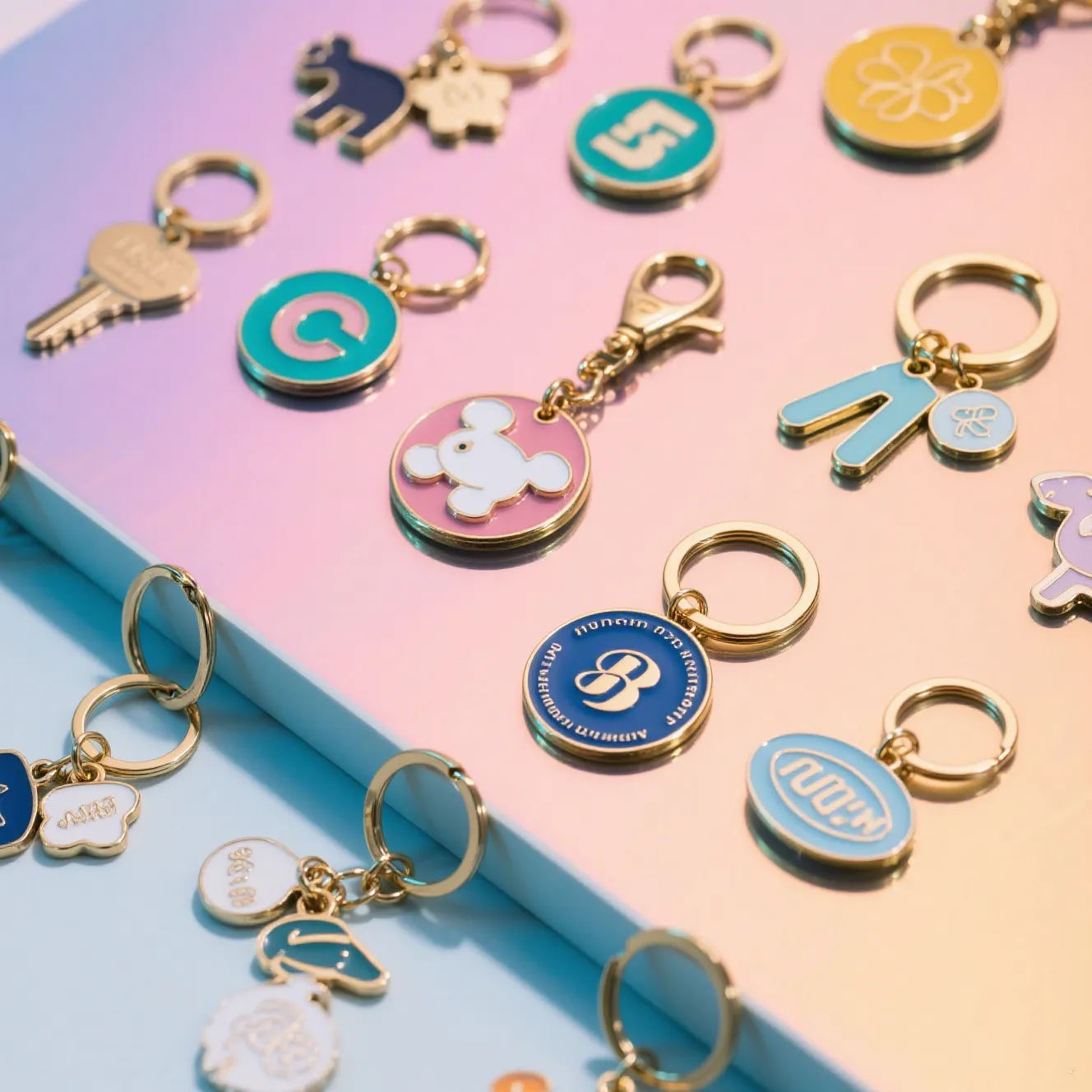
Material and Finish: Standard metal or acrylic is a great starting point, but have you considered options like enamel fills, holographic finishes, or sustainable recycled materials? These are major trends for 2025.
-
Mechanism: How will the charms attach? Will it be a carabiner-style clasp, a screw-gate, or another type of secure mechanism?
-
Branding: Do you want your logo subtly engraved or printed on the keychain?
-
Quantity: How many units do you need for your first run? Be realistic. It’s better to sell out a small run than be stuck with hundreds of unsold units.
Having this spec sheet ready will make your communication with potential manufacturers infinitely more efficient and professional.
Conducting Targeted Research to Create a Shortlist
Now that you know what you’re looking for, it’s time to find potential partners. Don’t just Google “charm holder keychain” and email the first five results.
Where to Find Reputable Manufacturers
-
Industry-Specific Directories and B2B Marketplaces: Platforms like Alibaba or Made-in-China can be a starting point, but be prepared to do heavy vetting.
-
Artist Alley and Convention Exhibitor Lists: Look at which manufacturers are trusted by other artists in your community. Who do they partner with for their own merchandise?
-
Social Media and Community Forums: Join artist and creator communities on platforms like Reddit or Discord. Ask for recommendations. Artists are often happy to share their experiences—both good and bad.
-
Print-on-Demand (POD) Super Factories: Companies like Loongwa offer a powerful alternative. We can act as your high-quality charm holder keychain supplier but without the high MOQs. This is the perfect solution for artists like Chloe who want to test the waters with a small batch or even a single prototype before committing to a large order.
Create a spreadsheet to track your potential partners. Note their location, their stated capabilities, and any red or green flags you notice on their website.
Scrutinizing Their Website and Portfolio
A manufacturer’s website is their digital storefront. It should be professional, informative, and easy to navigate.
What to Look For on a Manufacturer’s Website
-
Clear Product Information: Do they have detailed pages about their products, including materials, finishes, and file requirements? A lack of detail is a major red flag.
-
High-Quality Portfolio: Look at examples of their past work. Is the quality consistent? Do the finishes look clean and professional?
-
Customer Testimonials and Reviews: Do they showcase feedback from other clients? Look for reviews that mention communication and quality.
-
Easy-to-Find Contact Information: A reputable manufacturer wants you to contact them. Their email and contact forms should be easy to find.
Chloe immediately eliminated a few factories whose websites were full of broken links and low-resolution images. If they don’t care about their own online presence, how much will they care about your product?
Initiating Contact and Evaluating Their Communication
This step is critical. Your initial email is a test of their customer service and professionalism.
Crafting the Perfect Inquiry Email
-
Be Professional and Concise: Introduce yourself and your brand briefly.
-
Attach Your Spec Sheet: Show them you’ve done your homework. This immediately signals that you are a serious potential client.
-
Ask Specific Questions: Don’t just ask for a “quote.” Ask about their process. Good questions include:
-
“What is your standard turnaround time for a sample and for a full production run of [X] units?”
-
“Can you provide a digital proof before production begins?”
-
“What are your file setup requirements for custom shapes or engravings?”
-
“Do you have experience working with independent artists and creators?”
-
Now, evaluate their response. Did they reply promptly (within 1-2 business days)? Did they answer all of your questions clearly? Was the tone professional and helpful? A generic, copy-pasted response is a sign that you’ll be treated like just another number.
Comparing Quotes with a Focus on Value, Not Just Price
You’ll likely receive quotes with a range of prices. It’s tempting to go with the cheapest option, but this is often a mistake.
How to Analyze a Quote
-
Check for Hidden Fees: Does the price include setup fees, shipping, or taxes? Make sure you’re comparing the all-in cost.
-
Evaluate the Price-to-Quality Ratio: A slightly more expensive charm holder keychain from a supplier who uses premium, durable metals or better plating will result in a better product that you can sell for a higher price.
-
Consider the Value of Services: Does the manufacturer offer services like file checking, design assistance, or individual packaging? These can save you a lot of time and stress and are worth paying a little extra for.
Chloe received one quote that was 20% cheaper than the others, but they had a high fee for digital proofs and a long turnaround time. She correctly identified that the slightly more expensive partner who offered free proofs and faster production was actually the better value.
Always Ordering a Sample
I cannot stress this enough. Never place a bulk order with a new charm holder keychain supplier without first ordering a physical sample or prototype. A digital proof can show you the layout, but it can’t tell you about the weight, the feel of the material, the smoothness of the mechanism, or the quality of the finish.
What to Check for in Your Sample
-
Material Quality: Does it feel sturdy and substantial, or flimsy and cheap?
-
Finish Quality: Is the plating even? Are there any rough spots or imperfections?
-
Mechanism Functionality: Does the clasp or gate open and close smoothly and securely?
-
Overall Feel: Does this feel like a premium product you would be proud to sell to your audience?
Ordering a sample is a small investment that can save you from a very large and costly mistake. It’s your final quality check before you commit to a full production run.
Building a Long-Term Partnership
Once you’ve found a great charm holder keychain supplier and your first run is a success, the work isn’t over. The goal is to build a lasting relationship.
Nurturing Your Manufacturing Partnership
-
Provide Clear Feedback: After you receive your order, let them know what you loved and if there were any minor issues. Constructive feedback helps them improve and shows you’re an engaged partner.
-
Share Your Success: Send them photos of your happy customers using the keychain. Manufacturers love to see their work out in the world.
-
Discuss Future Projects: Keep them in the loop about your upcoming plans. This allows them to anticipate your needs and potentially offer better pricing or faster turnaround times for future orders.
By treating her manufacturer as a partner, Chloe has been able to collaborate on new product ideas, including a limited-edition series with special enamel finishes, further growing her brand and her income.
Your Action Plan for Finding the Perfect Manufacturer
Ready to find your partner? Here’s a simple action plan to guide you:
-
Vision & Research. Create your detailed product spec sheet. Begin researching and create a shortlist of 5-10 potential manufacturers, including POD options like Loongwa.
-
Vetting & Communication. Scrutinize the websites of your shortlisted manufacturers. Send out your professional inquiry emails.
-
Quotes & Samples. Analyze the quotes you receive, focusing on overall value. Narrow your list down to your top 2-3 choices and order a physical sample from each.
-
Decision & Launch. Compare your samples, make your final decision, and place your first production order.
Finding the right charm holder keychain supplier is a journey, but it’s one that can completely transform your creative business. By following these proven strategies, you can move forward with confidence, knowing you have a reliable partner dedicated to bringing your artistic vision to life with the quality it deserves.
Frequently Asked Questions (FAQ)
What is a reasonable MOQ for a custom charm holder keychain?
This varies widely. Traditional factories might have MOQs of 100-500 units. A major advantage of using a POD super factory like Loongwa is that there is often no MOQ—you can order a single sample or a small batch, which is ideal for independent creators.
How long does production and shipping usually take?
Production can take anywhere from 1-4 weeks, depending on the complexity and quantity. Shipping, especially from overseas, can add another 1-6 weeks. Always get a clear timeline estimate from your manufacturer.
What are the most common mistakes to avoid when designing a custom keychain?
The most common mistakes are choosing a mechanism that is difficult to use or not secure, using low-quality materials that tarnish or break easily, and not considering the overall weight and balance of the keychain with charms attached.
How can I ensure the quality of the metal plating or finish?
Ask potential suppliers about their plating process and the thickness of the plating. A physical sample is the best way to judge the final quality and durability of the finish.
What’s the difference between sourcing from an OEM and a POD manufacturer?
An OEM (Original Equipment Manufacturer) typically handles large, bulk orders for established brands. A POD (Print-on-Demand) manufacturer, like Loongwa, specializes in fulfilling orders as they come in, allowing for much smaller quantities and greater flexibility, which is perfect for independent artists and small businesses looking to launch new products with minimal risk