You know that feeling. It’s the quiet joy that comes from creating something with your own two hands. Maybe you’re a painter who loses track of time at the easel, a digital artist whose tablet is an extension of your imagination, or a crafter who can turn a simple block of clay into a wearable piece of art. Your friends and family all say the same thing: “You should sell these!” And a spark ignites. You start to dream of turning your passion into something more. But as you dip your toes into the world of selling DIY custom products, that creative spark often meets a tidal wave of overwhelm.
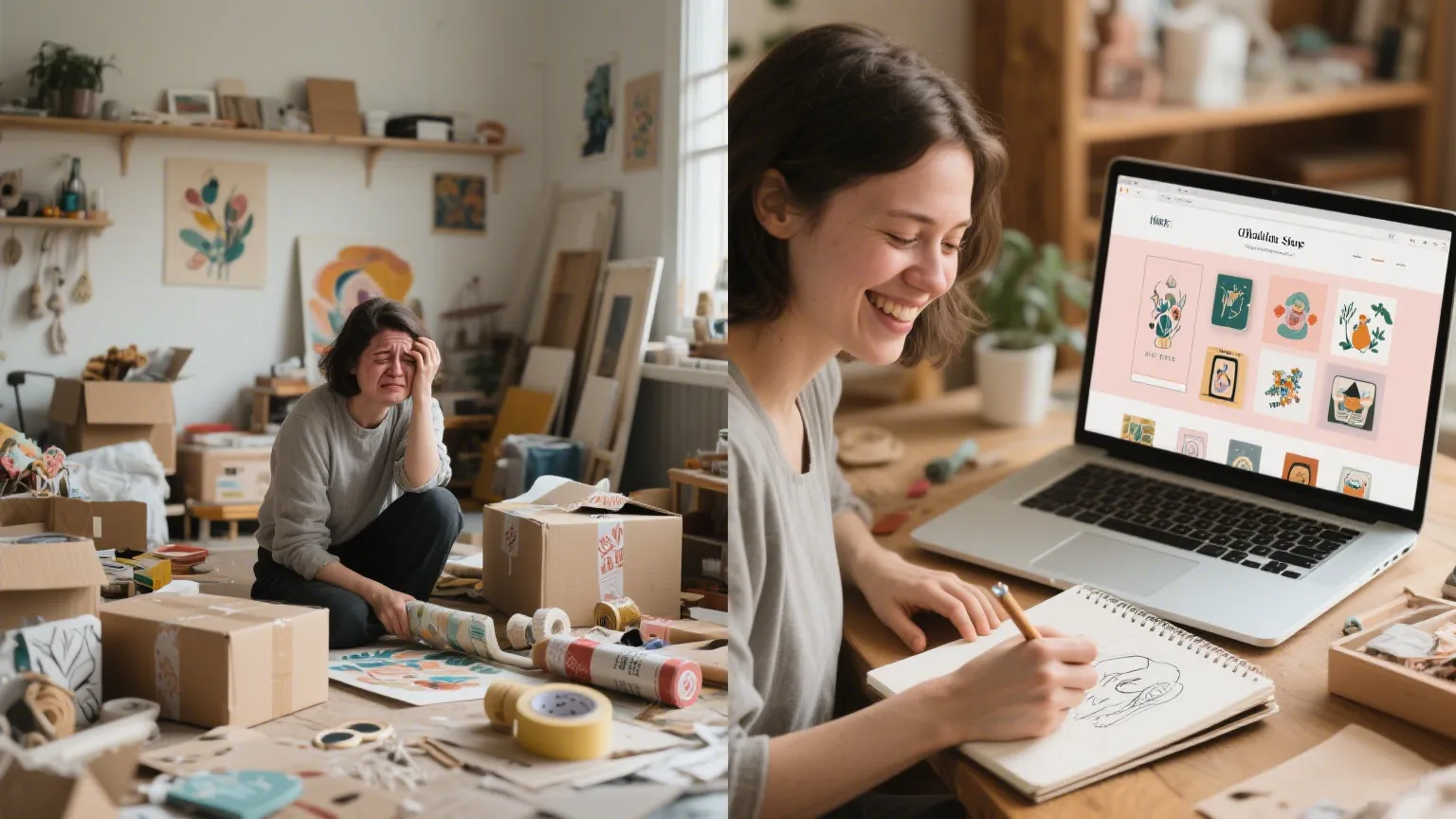
Suddenly, you’re not just an artist; you’re a photographer, a shipping clerk, a customer service agent, and an inventory manager. Your creative sanctuary becomes a warehouse cluttered with boxes and bubble wrap. Your passion starts to feel like a job, and not the fun kind. This is the exact struggle that nearly caused one of the most talented artists I know, a woman named Maya, to give up entirely.
Maya’s story is one I’ve seen play out time and time again. She created stunning, intricate polymer clay earrings, each one a tiny masterpiece. Encouraged by her followers, she opened an Etsy shop. The first few sales were exhilarating. But then, as demand grew, the dream began to unravel. She was spending 40 hours a week not just making earrings, but managing listings, responding to inquiries, and standing in line at the post office. She was physically unable to make enough products to meet demand, and the pressure was crushing her love for the craft. She was facing the classic creator’s paradox: her success was leading to her burnout.
This guide is for every creator who sees themselves in Maya’s story. It’s for you, the person with the talent and the vision, who is standing at the crossroads between passion and logistics. There is a way to scale your business without scaling your burnout. It involves a fundamental shift in thinking—a bridge that can take your DIY custom products from a kitchen table operation to a thriving, global brand.
The DIY Dilemma: When Passion Meets Burnout
Maya’s situation isn’t unique; it’s the default path for most DIY sellers. The global DIY market is colossal, with the home improvement segment alone expected to hit nearly $678 billion in 2025, according to Statista. But the “Do-It-Yourself” ethos often tricks us into believing we have to do everything ourselves. This is the trap.
The desire for handmade goods is at an all-time high. Consumers are actively seeking out unique, personalized items that tell a story—a trend that has fueled the incredible growth of platforms like Etsy, which now hosts millions of sellers. People want to support independent artists. The market is there. The problem isn’t the demand; it’s the traditional production model that creators like Maya fall into.
This model is linear and capped. Your income is directly tied to the number of hours your hands are physically working. To make more money, you have to make more stuff. This leads to:
-
Inconsistent Quality: When you’re rushing to fill orders, quality control is the first thing to suffer.
-
Inability to Scale: A viral TikTok video could bring in 1,000 orders overnight, but for a solo creator, that’s a catastrophe, not a celebration.
-
Creative Stagnation: When all your time is spent on production and fulfillment, there’s no time left for what you love most—designing and creating new things.
Maya realized she couldn’t continue. She had to choose: either keep her craft as a small, manageable hobby or find a completely new way to run her business. This is where she discovered the model that changed everything.
The Bridge from Hobby to Business: The Smart Way to Scale
The breakthrough for Maya came when she had a simple but profound realization: she didn’t have to sell the physical objects she made. She could sell her designs. She could scale her unique artistic vision, not the labor of her hands. This is the core principle behind leveraging a modern production partner for your DIY custom products.
Instead of personally handcrafting every single item, Maya took her most popular earring design—a beautiful monarch butterfly wing—and digitized it. She took a high-resolution photo, cleaned it up in a simple design app, and suddenly, her art was no longer bound to a tiny piece of clay. It was a digital asset.
This unlocked a universe of possibilities. She partnered with a Print-on-Demand (POD) factory supplier. This partner could take her digital butterfly design and professionally print it onto a huge range of high-quality products. Her business model shifted overnight.
From One Product to a Full Product Line
Maya was no longer just an earring maker. She was the creative director of the “Monarch” brand. She could now offer her signature design on:
-
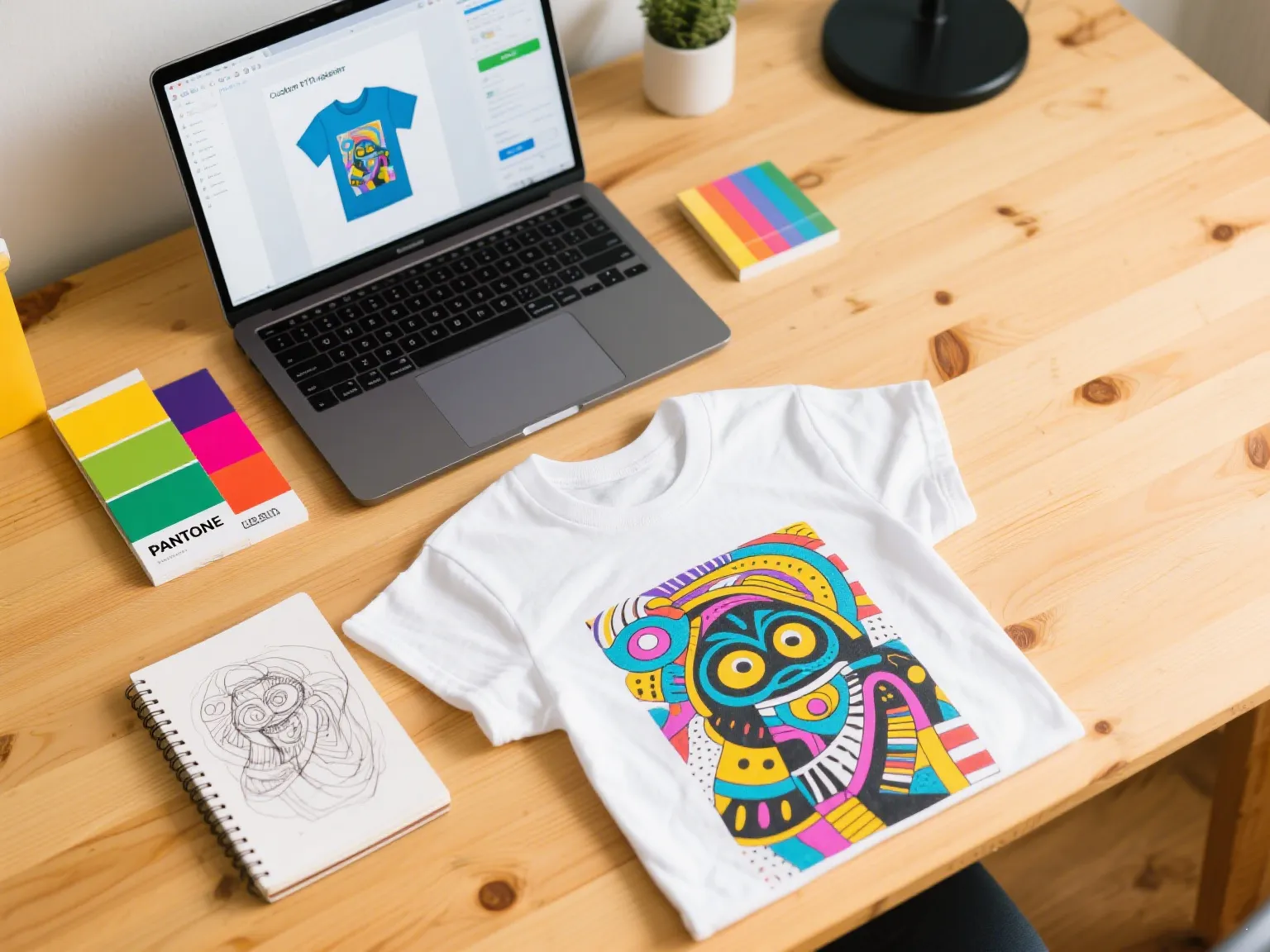
Apparel: Beautifully printed custom t-shirts and tote bags.
-
Home Decor: Ceramic mugs, throw pillows, and posters.
-
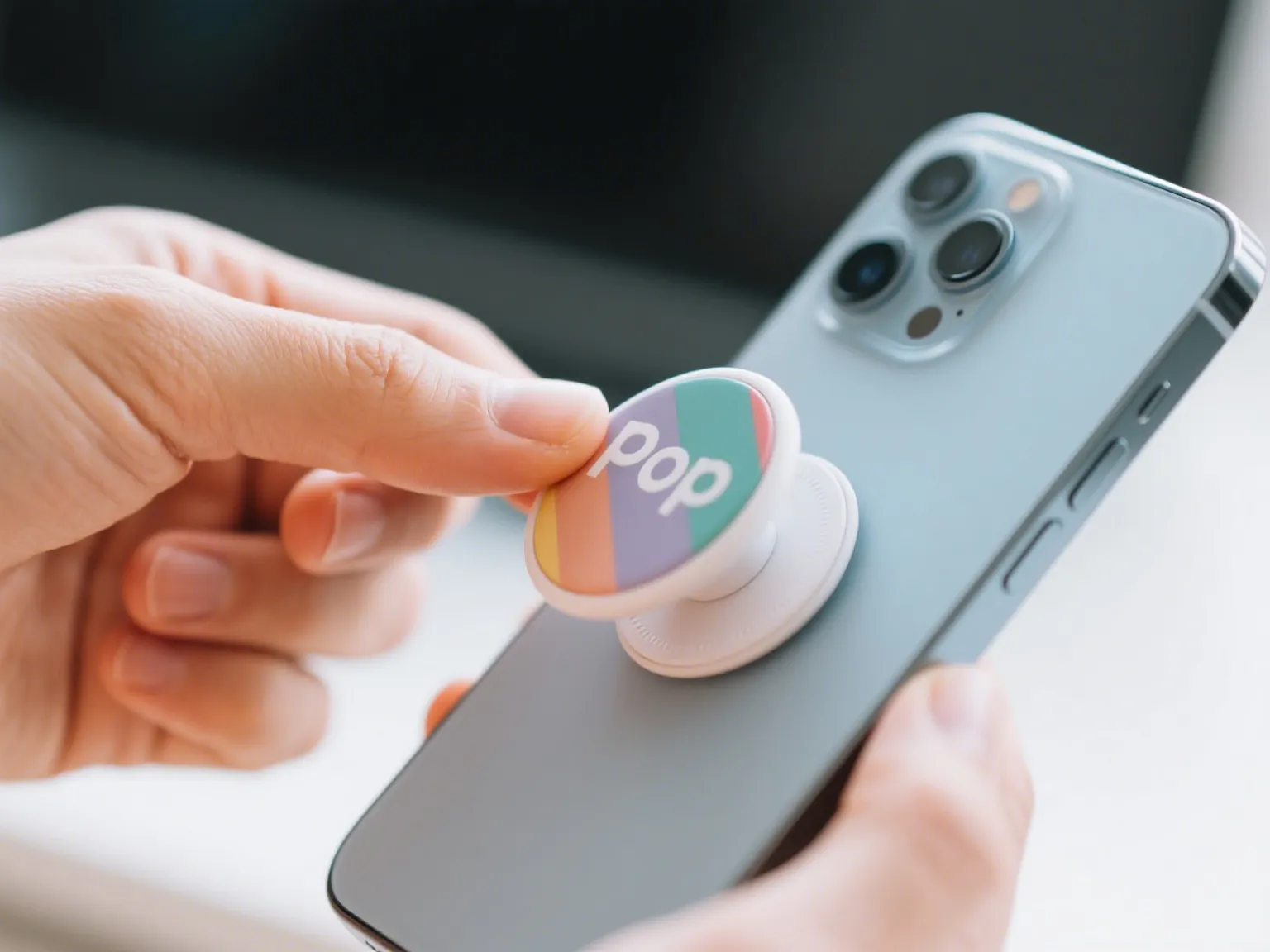
Accessories: Phone cases, keychains, and notebooks.
She went from having one product to having fifty, all without touching a single piece of inventory. She was no longer limited by what she could physically make. The trending DIY products 2025 often involve this kind of product diversification, allowing creators to tap into multiple markets with a single design ethos.
From Burnout to Freedom
With her factory partner handling all the production, packaging, and shipping, Maya’s role transformed. The 40 hours a week she used to spend on logistics were now free. She could focus entirely on what she loved: creating new designs, engaging with her community on social media, and thinking about the future of her brand. Her income was no longer capped by her time. Her store could make sales while she slept, while she was on vacation, or while she was working on her next masterpiece. This is the true power of learning how to sell DIY products online the smart way.
Your 5-Step Action Plan: Turning Your Hobby into a Business
Are you ready to build your own bridge from hobbyist to entrepreneur? Here is a practical, step-by-step plan based on the lessons learned from successful creators like Maya.
Step One: Identify Your Profitable Passion
The first step is to get specific. “Handmade crafts” is not a niche. “Custom pet portraits” is better, but “Quirky, cartoon-style portraits of cats for phone cases” is a real, targeted niche. Don’t be afraid to narrow your focus. Ask yourself:
-
What is the unique style or theme that runs through all my work?
-
Who is the specific person that would absolutely love this style?
-
What problems or passions does that person have?
Maya succeeded when she stopped being a general “nature artist” and became the go-to designer for the mycology community. Find your community.
Step Two: Digitize Your Craft
You don’t need to be a professional graphic designer. You just need a way to turn your physical art into a high-quality digital file.
-
For 2D Art (Paintings, Drawings): Use a high-quality scanner or a modern smartphone camera in good, natural light. Apps like Adobe Scan can help you create clean, professional-looking digital files.
-
For 3D Crafts (Pottery, Jewelry, Sculpture): Professional product photography is key. Create a simple lightbox at home with white poster board and a couple of lamps. Take a clean, well-lit photo of your craft against a neutral background.
-
For Digital Artists: You’re already a step ahead! Just make sure you’re exporting your designs as high-resolution (300 DPI) PNG files with a transparent background.
Step Three: Curate Your Product Catalog
Now for the fun part. Based on your niche, what products would your audience love? If you cater to book lovers, think about mugs for their tea, tote bags for their library trips, and cozy blankets for their reading nooks. If your audience is outdoor adventurers, think about enamel mugs, hoodies, and durable vinyl stickers.
The key is to choose products that align with your brand’s story and your audience’s lifestyle. Start with 5-10 core products. You can always expand later. This is the beauty of this model—experimentation is free.
Step Four: Choose a True Production Partner
This is the most important decision you will make. You are not looking for the cheapest printer; you are looking for a reliable partner who is invested in your success. A factory-direct supplier like Loongwa Print offers significant advantages over a simple middleman or marketplace.
Look for a partner that provides:
-
High-Quality Product Samples: Always order samples before you list a product for sale. Feel the fabric, check the print quality, and ensure it meets your standards.
-
A Wide Range of Products: A diverse catalog allows your brand to grow.
-
Transparent Pricing and Shipping: You need to know your exact costs to price your products profitably.
-
Seamless Integration: Your partner should integrate easily with your chosen e-commerce platform, whether it’s Etsy, Shopify, or another provider. For guidance on this, resources like the Shopify Blog offer excellent, in-depth articles on choosing and integrating with suppliers.
Step Five: Tell Your Story, Market Your Passion
People don’t just buy products; they buy from people. Your biggest marketing asset is your story. Use social media to share your creative process. Show your sketches, your inspirations, and your workspace. Talk about why you started your brand. When customers feel like they know the artist behind the art, they become more than just customers; they become fans. They become a community.
Your Art Deserves an Audience
The path from a creative hobby to a profitable business is no longer blocked by the gatekeepers of inventory and logistics. The model has changed. For the modern creator, the primary asset is no longer your hands, but your unique vision. By pairing that vision with a powerful production partner, you can build a brand that is scalable, sustainable, and, most importantly, allows you to remain a creator at heart.
Maya didn’t have to give up her passion. She just found a smarter way to share it with the world. You can too. The world is waiting to see what you will create.
Frequently Asked Questions (FAQ)
I’m not a designer. Can I still start a business selling DIY custom products?
Absolutely. “Design” can be as simple as a clever text phrase, a public domain image, or a photo you took. You can also use user-friendly tools like Canva to create designs or collaborate with freelance designers on platforms like Fiverr to bring your ideas to life.
How much does it cost to start selling DIY custom products with this model?
The startup costs are incredibly low. Your main expenses will be setting up your online store (which can be as low as $30/month) and ordering product samples to ensure quality. Since you don’t buy inventory upfront, you eliminate the single biggest financial risk of starting a traditional product business.
What are the most profitable trending DIY products 2025?
According to market trends, personalized and custom items remain highly profitable. This includes personalized jewelry, custom pet products, and unique home decor. Eco-friendly and sustainable products are also a rapidly growing category that commands premium prices.
How do I handle shipping and returns?
Your POD factory partner handles all the shipping directly to your customer. For returns, you will create your own policy. Typically, if a return is due to a printing error or a damaged product, your partner will cover the replacement. If a customer wants to return an item for other reasons (e.g., they ordered the wrong size), you will manage that according to the policy you’ve set for your store.
Can I still sell my original, handmade items as well?
Yes! Many creators use a hybrid model. They sell their original, one-of-a-kind handmade pieces as premium, high-ticket items, while using a POD partner to offer more affordable, accessible products featuring their designs to a broader audience. This can be a fantastic way to structure your business.