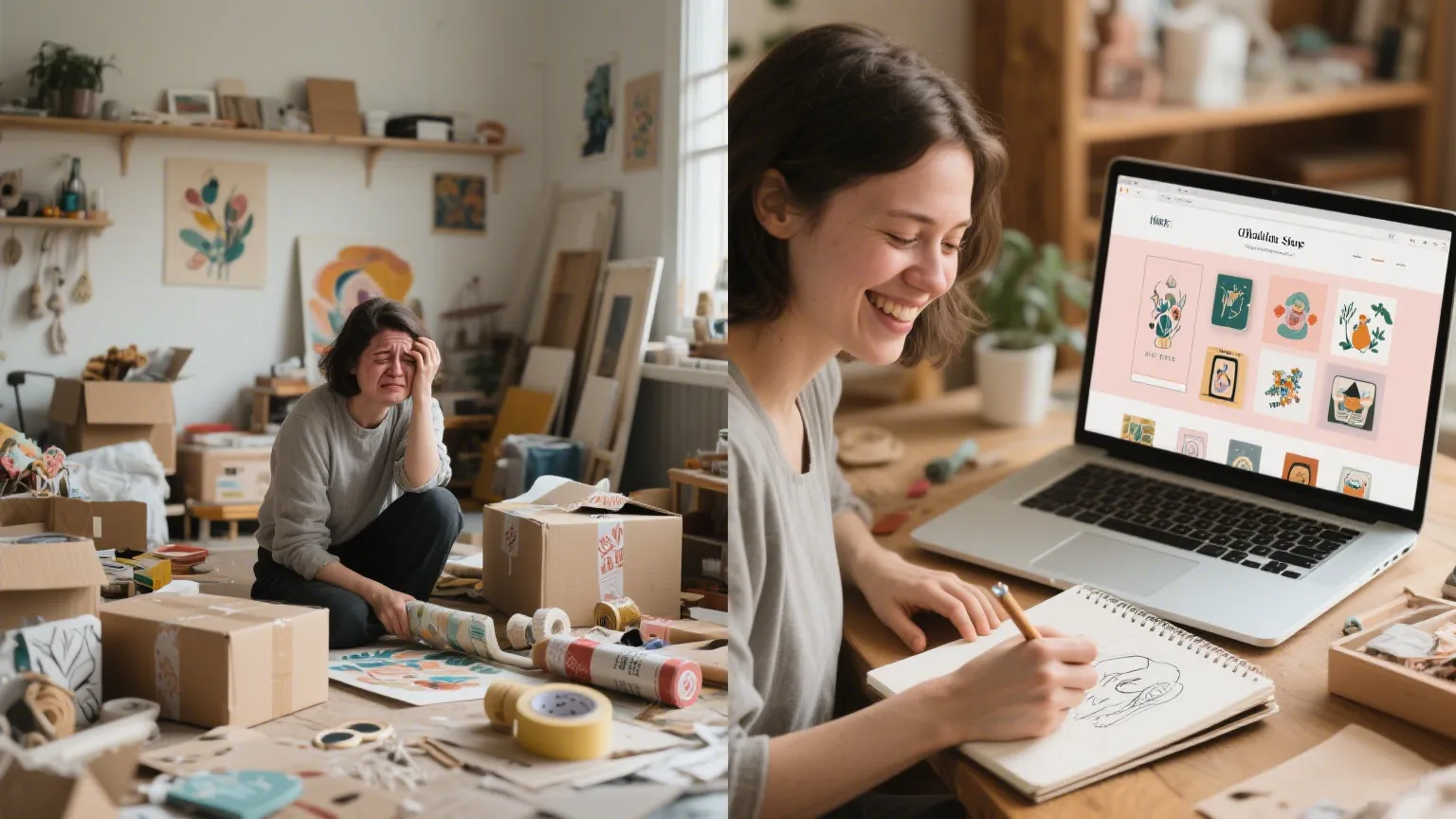
A few months ago, an artist I’ll call “Leo” reached out to me. He was incredibly talented, with a unique art style that had earned him a loyal following on social media. But he was struggling with a classic artist’s dilemma: how to turn that passion into a sustainable income. He was selling prints, but the market was saturated, and his profits were minimal. He felt stuck, watching other artists launch successful product lines while he was just getting by.
“I see these other artists selling things like keychains and standees, and they’re always sold out,” he told me, his voice a mix of admiration and frustration. “I want to do that, but I don’t know where to start. I’m an artist, not a product designer or a manufacturer. How do I create something physical that people will actually want to buy?”
If you’ve ever felt that same way—brimming with creative ideas but unsure how to bring them to life as a physical product—then this guide is for you. Leo’s story has a happy ending. By focusing on one specific product, the custom acrylic stand figure, and following the strategies I’m about to share, he not only launched a new product line but also doubled his monthly income in just three months.
This isn’t just a guide about making a product; it’s a roadmap for transforming your creative vision into a tangible, profitable reality. We’ll break down the exact steps Leo took, backed by current market data and practical, actionable advice.
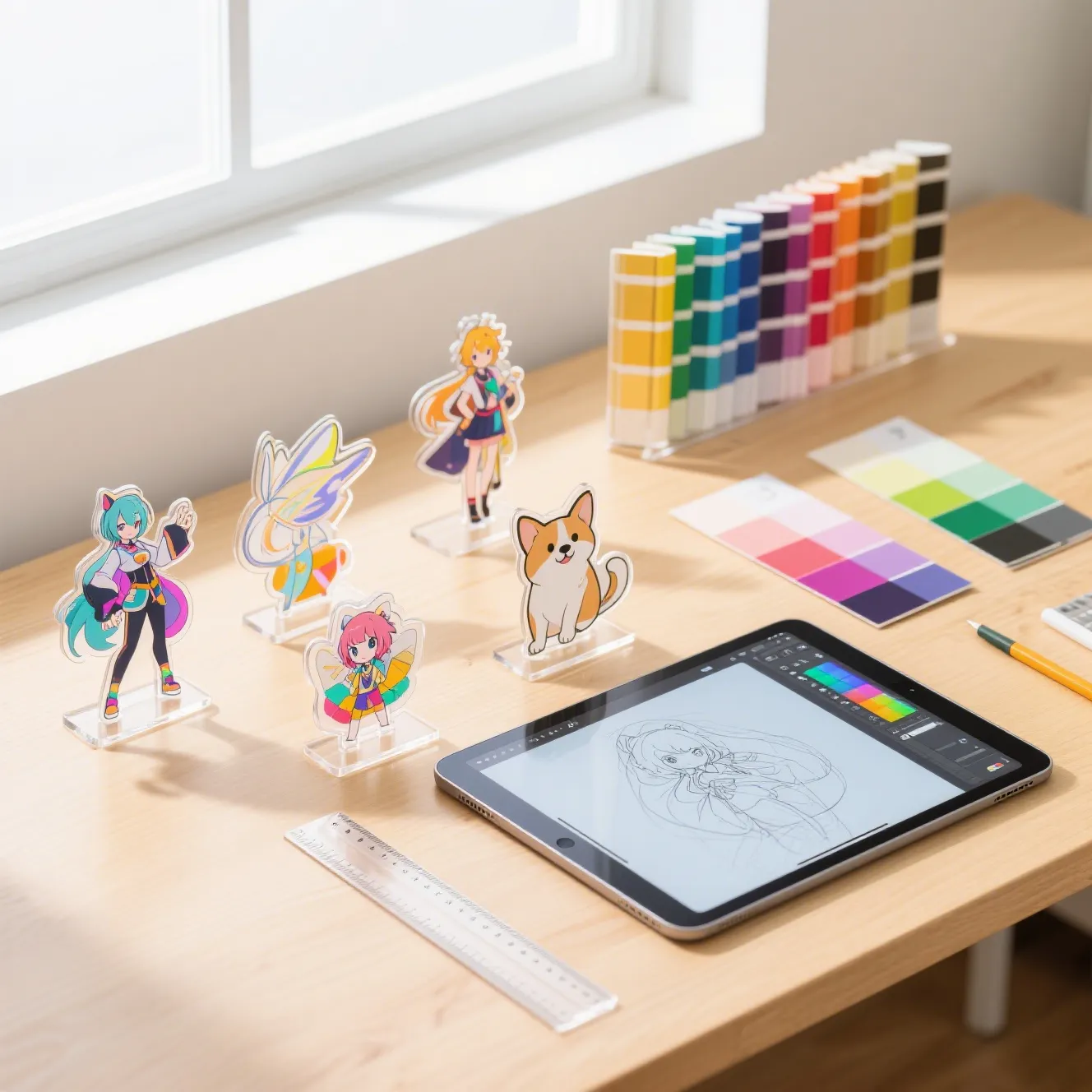
Why Custom Acrylic Stand Figures Are a Goldmine for Creatives in 2025
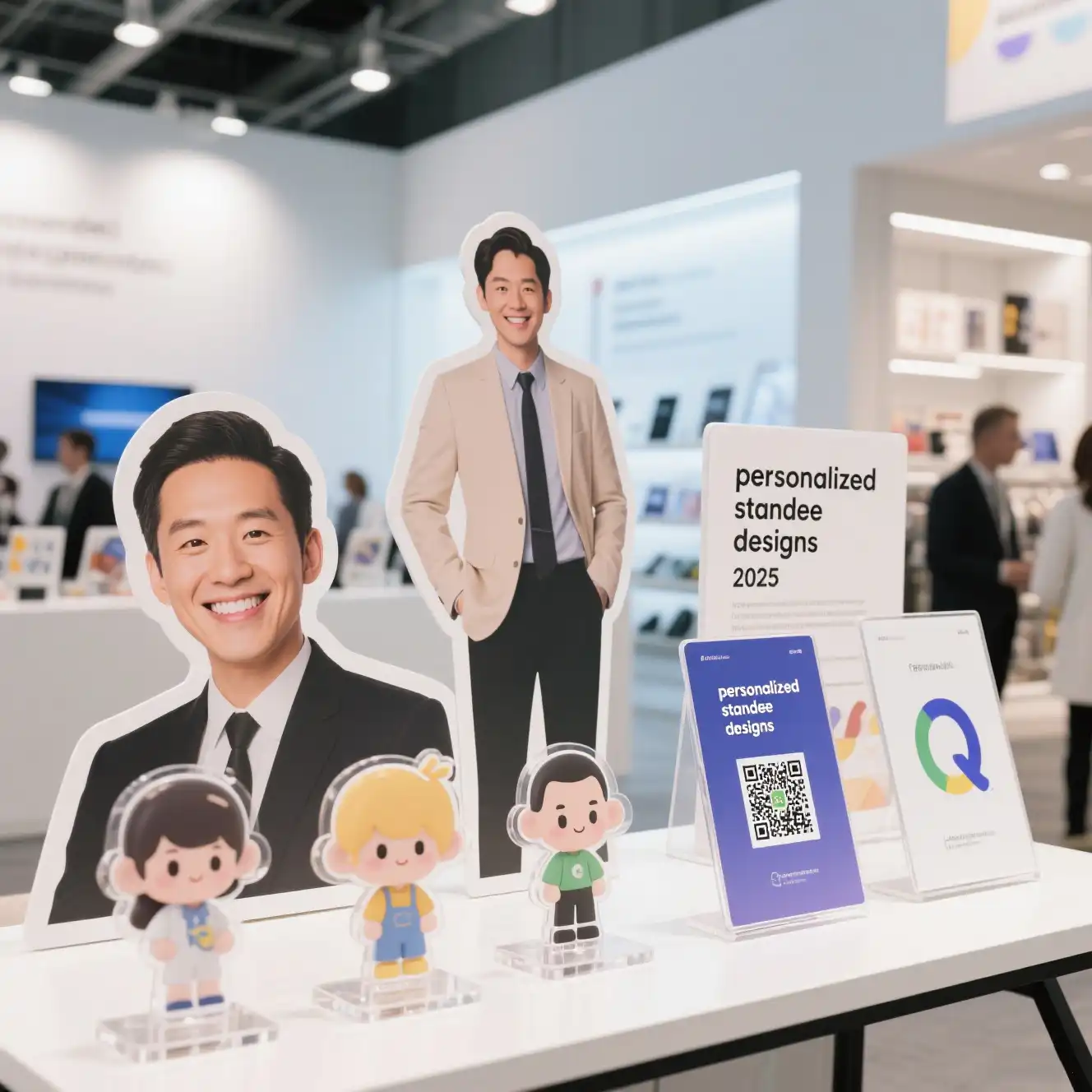
First, let’s address why the custom acrylic stand figure is such a powerful product right now. The market for collectibles and personalized merchandise is booming. The action figures and statues market alone is projected to reach over $28 billion by 2031, growing at a rapid pace. More specifically, the acrylic display market is seeing significant growth, expected to hit over $516 million by 2030.
What does this mean for you? It means there’s a massive, hungry audience actively looking for unique, high-quality display items. They’re not just buying products; they’re investing in pieces of art that represent their favorite characters, artists, and memories.
The Shift in Fan and Collector Mentality
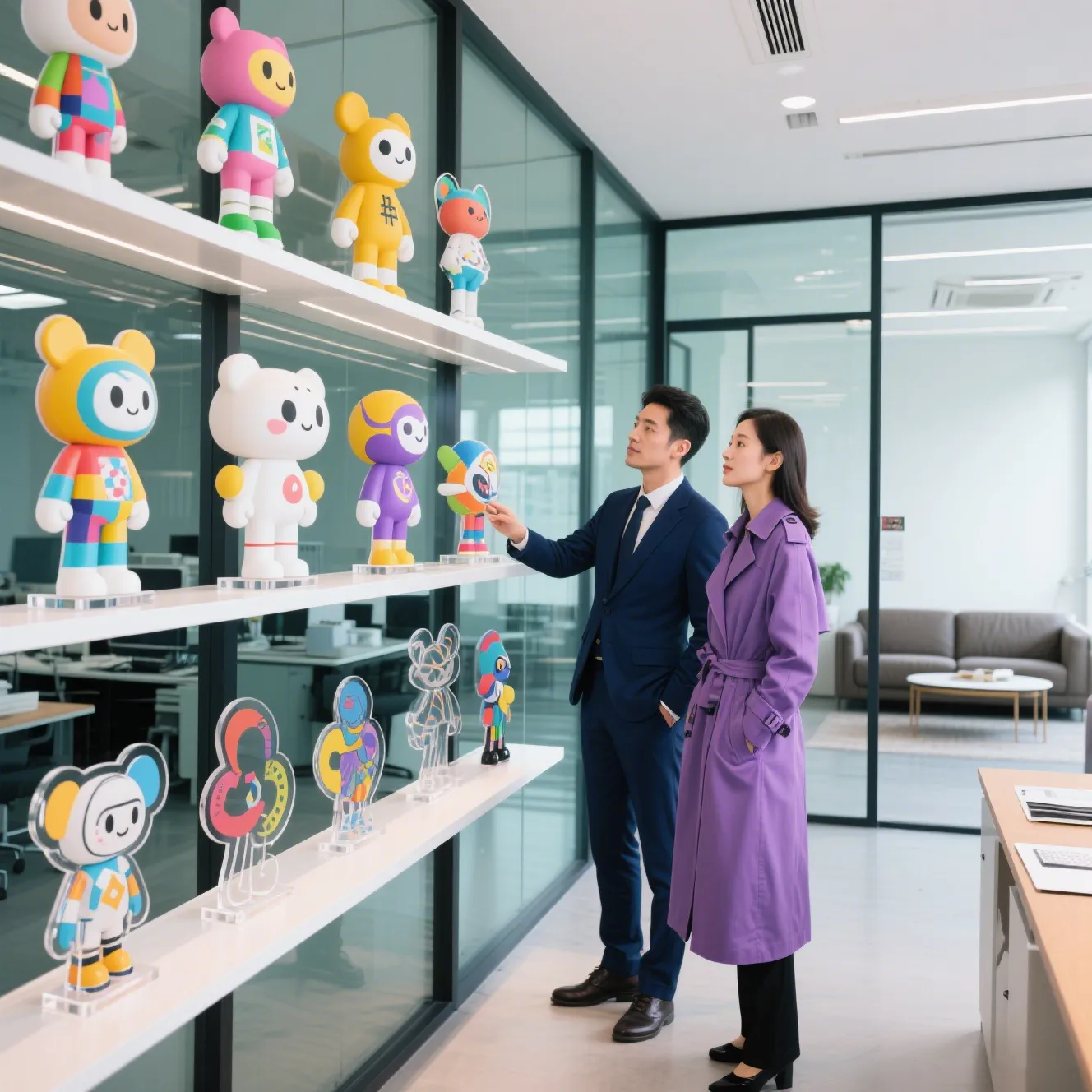
Today’s fans and collectors are sophisticated. They crave items that feel exclusive and personal. Generic, mass-produced merchandise no longer cuts it. A custom acrylic stand figure offers the perfect blend of affordability, durability, and high-perceived value. It allows fans to own a physical piece of your art that’s more substantial than a print but more accessible than a sculpture.
This is where print-on-demand (POD) factories like Loongwa come in. We bridge the gap between your digital design and a high-quality physical product, handling the manufacturing, printing, and cutting. This removes the biggest barriers for artists like Leo: high upfront costs and the logistical nightmare of managing inventory. You can order a single prototype or a batch of hundreds, giving you the flexibility to test designs and scale as you grow.
The Blueprint: How an Artist Doubled His Income with Acrylic Standees
When Leo first came to me, his online store was making around $500 a month from prints. His art was fantastic, but it wasn’t translating into significant sales. The problem wasn’t his talent; it was his product offering.
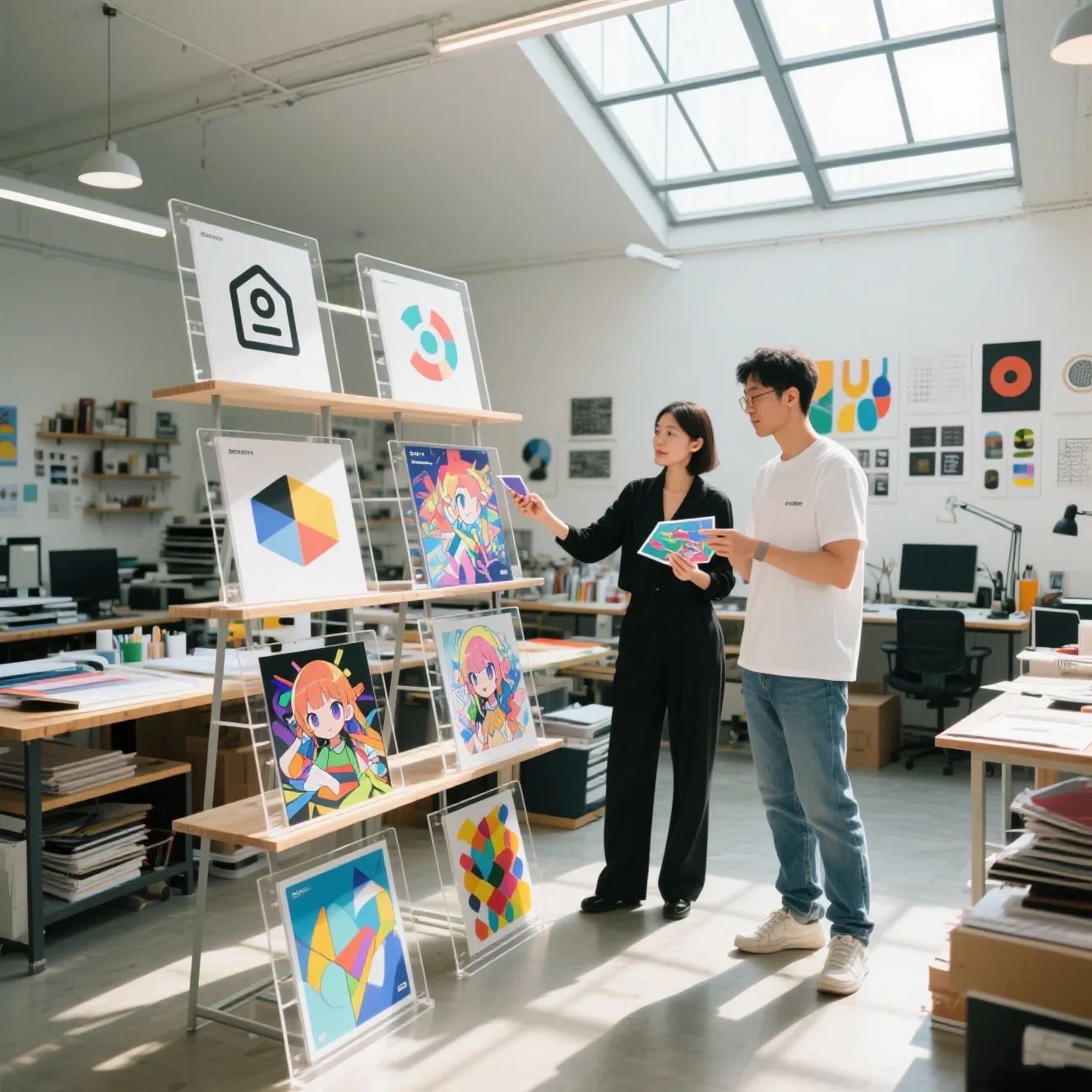
Our strategy was simple: create a premium, collectible product that his existing audience would be excited to buy. The custom acrylic stand figure was the perfect fit.
Here’s a snapshot of his results three months after launching his first acrylic standee:
-
His monthly store revenue jumped from $500 to over $1,200.
-
His first batch of 100 standees sold out in less than 48 hours.
-
He saw a 40% increase in social media engagement, as fans proudly shared photos of their new collectibles.
-
He began receiving inquiries for commission work from customers who discovered him through his standees.
This success wasn’t accidental. It was the result of a deliberate, focused process.
Mastering the Art of “Design for Manufacturing”
The biggest mistake artists make when creating a custom acrylic stand figure is designing without considering the physical production process. A beautiful digital illustration doesn’t always translate well to a physical object.
Key Design Considerations for Acrylic Stand Figures
-
Think in Layers: Great standees often have a separate base and figure. When designing, create these as distinct elements on your canvas. The figure needs a small tab at the bottom that will slot into the base. Make sure the tab is thick enough to be sturdy.
-
Vector is Your Friend: While your character art might be raster (pixel-based), your cut lines should always be in a vector format. This ensures the laser cutter at the factory can follow your exact shape precisely, resulting in clean, smooth edges.
-
Mind the Gap (and the Kerf): The “kerf” is the tiny amount of material that the laser burns away when it cuts. A professional manufacturer will account for this, but it’s good practice to ensure the slot in your base is perfectly matched to the thickness of your acrylic material. A snug fit feels premium; a wobbly standee feels cheap.
-
Double-Sided Printing: One of the most impactful features you can offer is double-sided printing, with a different expression or outfit on the back. This instantly doubles the perceived value of your custom acrylic stand figure. When preparing your files, you’ll need to provide separate, perfectly aligned front and back artwork.
Leo’s first design was a stunning character portrait, but the intricate, spiky hair would have been too fragile. We worked together to simplify the silhouette slightly, strengthening the weak points without compromising his artistic style. This small change made the final product much more durable.
Choosing the Right Materials and Finishes
Not all acrylic is created equal. The material and finish you choose will have a huge impact on the final look, feel, and price point of your standee.
A Quick Guide to Acrylic Options
-
Standard Clear Acrylic: This is the most common and cost-effective option. It offers excellent clarity and makes your colors pop. Perfect for most designs.
-
Holographic or Rainbow Acrylic: This finish adds a mesmerizing, iridescent effect that changes with the light. It’s incredibly popular, especially for fantasy or sci-fi characters, and allows you to charge a premium.
-
Glitter or Epoxy Finish: Adding a layer of glitter or a smooth, domed epoxy finish can elevate your standee, giving it extra sparkle and a tactile, high-quality feel.
-
Sustainable Acrylic: As consumers become more eco-conscious, offering a custom acrylic stand figure made from recycled or more environmentally friendly materials is a powerful selling point. Searches for “sustainable” products have been trending up, and this can be a key differentiator for your brand.
We decided to offer Leo’s first design in both standard clear and a limited-edition holographic finish. The holographic version was priced 30% higher and sold out first, proving that customers are willing to pay more for unique, premium features.
Creating a Base That Complements, Not Competes
The base of your custom acrylic stand figure is not an afterthought; it’s a critical part of the overall design. A well-designed base enhances the figure, while a poorly designed one can ruin the entire piece.
Base Design Best Practices
-
Stability is Key: The base needs to be wide and heavy enough to support the figure without tipping over. An oval or circle is a classic, stable shape.
-
Thematic Design: Don’t just make it a plain shape. Incorporate thematic elements that relate to the character. For a nature-themed character, maybe the base is shaped like a patch of grass or a flower. For a tech character, it could be a circuit board pattern.
-
Printed Details: You can have details printed on the base itself, like the character’s name, the series title, or your artist signature. This adds a layer of professionalism.
Leo’s character was a celestial mage, so we designed a circular base with a printed cosmic nebula pattern. This simple touch made the entire piece feel more cohesive and intentional.
Nailing Your File Setup for a Flawless Production
This is the most technical part, but it’s arguably the most important. Submitting correctly prepared files to your manufacturer or POD factory is the secret to avoiding delays and ensuring the final product matches your vision.
A Simple File Setup Checklist
-
Separate Layers: Your artwork, cut lines, and any special finish areas (like white ink or gloss) should all be on separate, clearly labeled layers in your design file (e.g., Photoshop or Illustrator).
-
Correct Color Mode: Ensure your file is in CMYK color mode, as this is what most printers use. Designing in RGB can lead to colors looking dull or different in the final print.
-
Sufficient Resolution: Your artwork should be at least 300 DPI at the intended print size to ensure it’s sharp and clear.
-
Outline Your Cut Line: The vector path that defines the shape of your standee should be a clear, single line with a specific stroke weight and color, as specified by your manufacturer.
I walked Leo through the file setup process provided by Loongwa. By following the template exactly, his first prototype came back perfect, saving him the time and money of having to go through a round of revisions.
Leveraging Scarcity and Exclusivity to Drive Sales
The psychology of collecting is driven by scarcity. You can tap into this by making your custom acrylic stand figure releases feel like special events.
Strategies to Create Hype
-
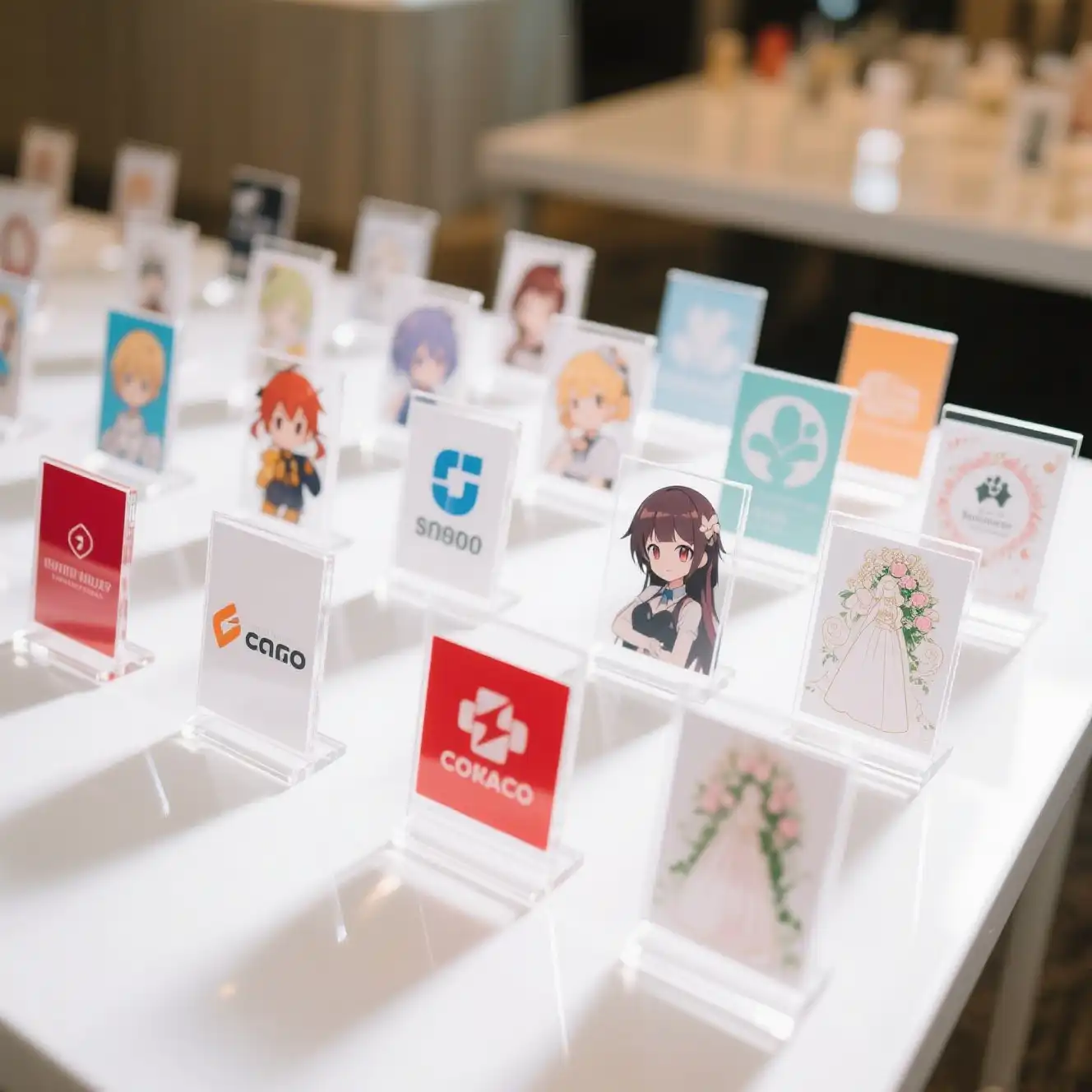
Limited Edition Runs: Instead of having your standees available forever, release them in limited batches (e.g., “Limited run of 100 pieces”). This creates urgency and encourages immediate purchase.
-
Pre-Order Campaigns: Launching your standee as a pre-order is a fantastic, risk-free way to gauge interest and fund your first production run. You only produce what you sell, eliminating leftover inventory.
-
Bundles and Tiers: Offer special bundles, like a standee paired with a matching sticker sheet or a signed print. You could also offer a premium tier with the holographic or epoxy finish. This increases your average order value.
Leo’s “Limited Edition Holographic” tier created a massive buzz. His followers knew they had to act fast to get one, which is why it sold out so quickly.
Creating High-Quality Mockups and Photos
You can design the most beautiful custom acrylic stand figure in the world, but if your product photos are dark and blurry, no one will buy it. High-quality visuals are non-negotiable.
How to Get Professional-Looking Product Shots
-
Use a POD Factory’s Mockup Generator: Many manufacturers, including Loongwa, offer digital mockup generators. These allow you to see your design on a professional, 3D-rendered product photo before you even order a sample.
-
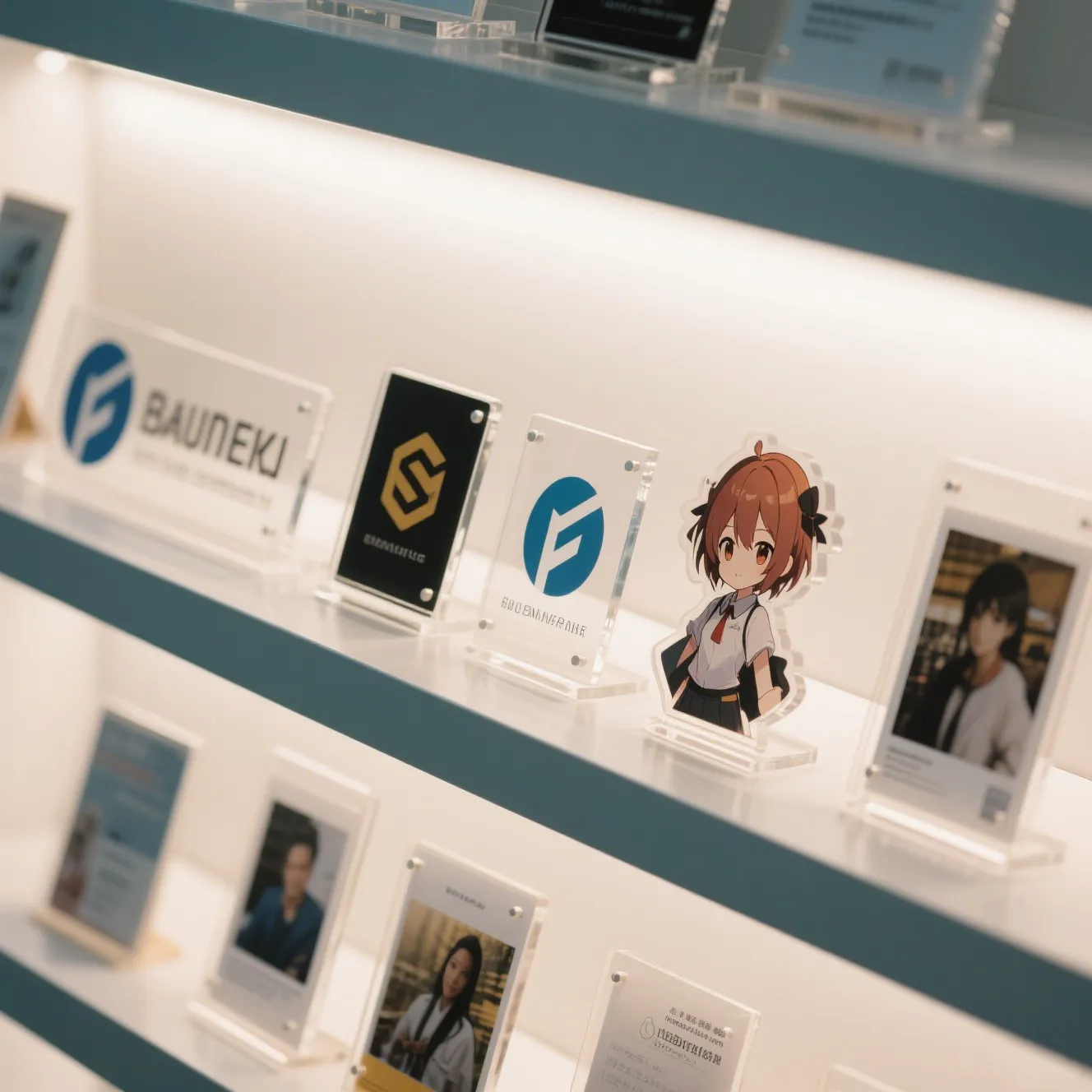
Order a Prototype for Real Photos: Once you have a physical sample, take high-quality photos of it yourself. Use natural light, a clean background, and show the standee from multiple angles. Show it on a desk or shelf to help customers visualize it in their own space.
-
Create Lifestyle Shots: Show the standee as part of a larger collection. If you sell other merchandise, photograph them together to encourage multiple purchases.
We used a combination of digital mockups for the initial pre-order launch, followed by real photos of the prototype once it arrived. The real photos helped build trust and showed off the quality of the holographic finish, driving the final wave of sales.
Engaging with Your Community and Listening to Feedback
Your audience is your greatest asset. Involving them in the creation process for your next custom acrylic stand figure not only builds excitement but also ensures you’re making something they actually want.
Ways to Involve Your Fans
-
Run Polls: Let your followers vote on the next character to be made into a standee, or on different outfit or color variations.
-
Ask for Suggestions: Create a post asking, “If I were to make another acrylic standee, what would you love to see?” You’ll get a ton of free market research.
-
Share Behind-the-Scenes Content: Post snippets of your design process, from initial sketches to the final vector art. This builds anticipation and makes your followers feel like part of the journey.
After his first successful launch, Leo ran a poll to decide his next character. The engagement was off the charts, and he now has a clear, audience-approved roadmap for his next three product releases.
Your Action Plan for Launching Your First Custom Acrylic Stand Figure
Feeling inspired? You can start this journey today. Here’s a simple action plan to get you started:
-
Week 1: Research & Concept. Finalize which character or design you want to create. Research other acrylic standees in your niche to see what works.
-
Week 2: Design & File Prep. Create your artwork, focusing on the “design for manufacturing” principles. Prepare your print-ready files according to your chosen manufacturer’s specifications.
-
Week 3: Prototyping & Photos. Order a single prototype to check the quality. Once it arrives, take high-quality photos and create your product mockups.
-
Week 4: Launch! Announce your pre-order or limited run to your audience. Use your high-quality visuals and leverage scarcity to drive sales.
By following these strategies, you’re not just making a product. You’re building a brand, creating a new revenue stream, and giving your fans a new way to connect with your art. The world of custom acrylic stand figures is vast and full of opportunity, and with the right strategy, you can carve out your own successful corner of it.
Frequently Asked Questions (FAQ)
What is the best file format for a custom acrylic stand figure?
Most manufacturers prefer layered vector files like Adobe Illustrator (.ai) or Photoshop (.psd). This allows them to easily separate your artwork from the cut line. Always check your specific manufacturer’s guidelines.
How do I ensure my standee is stable?
The key is a well-proportioned base. Make sure the base is wider than the tallest or widest part of your figure and has a snug slot for the figure’s tab.
What is the minimum order quantity (MOQ)?
This is one of the biggest advantages of working with a POD factory like Loongwa. You can often order just one single unit as a sample, or small batches for a limited release. This eliminates the financial risk of traditional bulk manufacturing.
How do I protect my acrylic standees from scratches?
Many acrylic standees come with a thin, peel-off protective film on both sides. Leave this on until it reaches the final customer to protect it during shipping. For long-term protection, you can advise customers to display them in cases or away from abrasive objects.
Can I create a standee with transparent parts?
Absolutely! By carefully setting up your artwork files and indicating which areas should not have a white ink base layer, you can create stunning effects with transparent or semi-transparent elements in your design.